
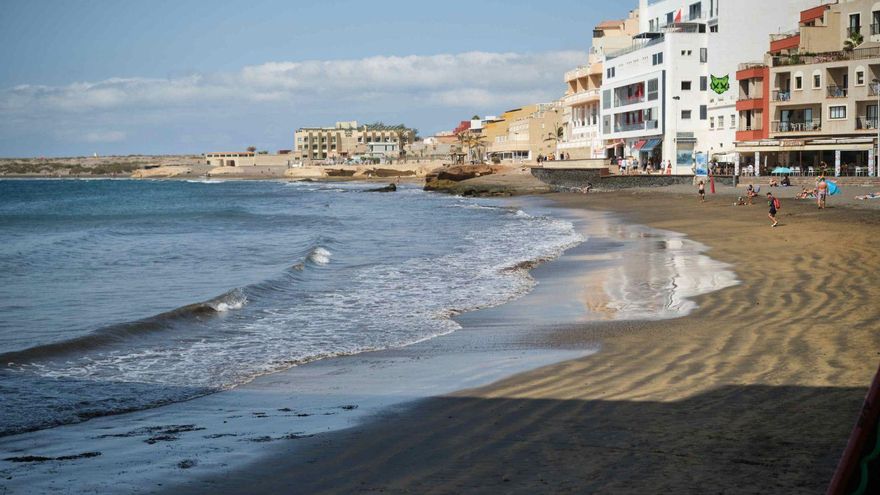
El Médano: The story of a windy beach that became a village in Tenerife
El Médano in Tenerife, once marked on maps as a windy beach with dunes, has transformed into a well-known village among surfers, preserving its maritime soul and unique landscape.
In the south of Tenerife, there is a place where the wind is not just a guest, but a true master. It decides everything here: creates dunes, changes beaches, and even paints small waves on the water.
Once, before the promenades and cafes, it was simply a wonder of nature: a dune, a deep sea, and protection from the volcano. Back in the 18th century, cartographers noticed this place and marked it on their maps. And only later did huts appear here, fishing nets drying in the sun, and the quiet life of a village where everything depended on the tides.
Those who come here for the first time think they have found a trendy spot. And those who return know they will see a landscape that is constantly changing.
This whole story fits into one short name – El Médano. Because, as not everyone knows, "médano" means dune.
Long ago, when the aborigines lived here, this land belonged to the territory of Abona.
The coast in the south of Tenerife (with its shelters, shells, and fishing spots) was like a transitional zone for them, where they would stop during a certain season.
There was no city as we know it, but there were scattered traces of their life and fishing. This proves that life thrived here long before the appearance of the modern village.
The name El Médano can be found on military and nautical maps from the 18th century.
In the middle of that century, it appears on a map near the Red Mountain, and in the 19th century, on maps that marked all the coastal places in the south of Tenerife.
Since then, "Playa (El) Médano" has transformed from a simple designation of a windy beach with sand into the name of the settlement that grew here.
For centuries, El Médano was known as a beach, a place for ships to anchor, and a windy area. The village grew slowly, thanks to fishing, small fields, and trade with other areas.
The name has always been true to reality: the sand here is constantly moving, as it is shifted by the wind. Importantly, the area around the Red Mountain has been taken under protection. It is now a Special Natural Reserve, where the volcano, dunes, and beaches are protected.
Since the second half of the 20th century, El Médano has become known worldwide among sailing enthusiasts. The wind and the bay are ideal for windsurfing and kitesurfing. There are schools, workshops, and top-level competitions are held here (El Cabezo is a very important place for these sports).
Tourism has developed gradually, without major changes: the promenade, life on the square, small hotels, cafes, and a surfer atmosphere that blends perfectly with the locals who live here year-round.
The village has preserved its maritime soul and peaceful rhythm of life. The day begins in the bay, where boats and sailing schools awaken on the promenade, and the beach is already being combed by the wind.
Then you drive to Leocadio Machado – El Cabezo, and the landscape changes: the wind becomes stronger, the sails rise, and the sound of the sea mixes with the whistle of masts. This is a true windsurfing paradise.
And further west, the road leads to La Tejita and the Red Mountain, which is under protection. Here, there is open sand, a clear horizon, and dunes that can only be walked on along bridges and paths to avoid damaging the plants.
El Médano proves that sometimes the name speaks for itself: a dune that became a village, but remained a dune. Three centuries after this place was first written about on maps, the wind continues to paint it, and people live here, enjoying the sea, sand, and sky that make this place unforgettable.