
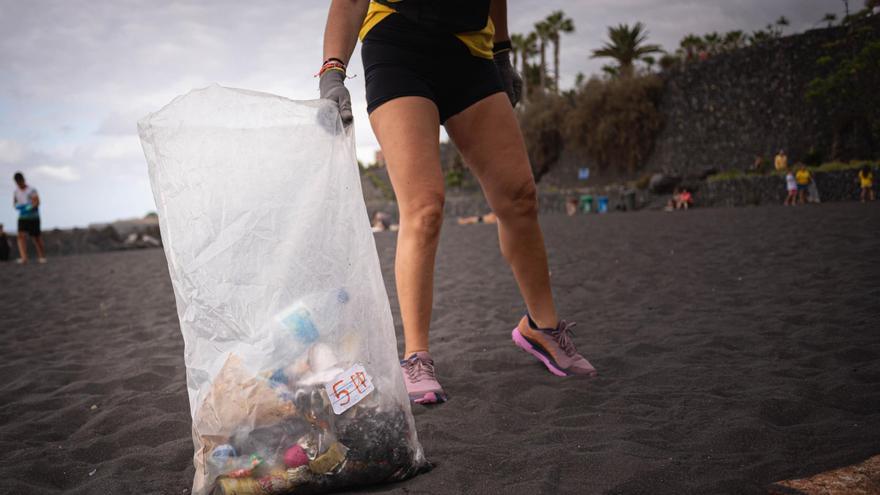
In Tenerife, volunteers are cleaning beaches to overcome loneliness and protect local traditions.
In Tenerife, volunteers cleaned beaches as part of the "People's Palaces" project, aimed at combating loneliness and supporting local communities affected by tourism.
In Punta Brava, near the beach bar, people gathered – waiting for the start from the "Rayuela" organization. They are here to clean the coast together. "Rayuela" launched the project "Social Infrastructure: People's Palaces of Tenerife" together with the platform "Stop Vertidos al Mar" and the initiative "Precious Plastics Canarias". The project aims to help people support each other, fight feelings of loneliness and bad mood. This is especially important for those who live in areas with many tourists and buildings.
Participants were divided into two teams. One collected cigarette butts on Playa del Castillo beach, moving towards Punta Brava. The other team collected plastic on Playa Chica. The volunteers held special baskets to separate sand from garbage, gloves and bags. They enthusiastically got to work to make the beach cleaner.
The "People's Palaces" project arose when "Rayuela" realized that people need not only work or occasional help, but also strong connections with each other.
"We wanted to create a project that would help us get closer to the area, protect it and be interesting to our team," explains Irene Ruan, the project coordinator. This is how the idea of "People's Palaces" came about – a place where neighbors can meet and chat again.
Punta Brava and San Andres were chosen for a reason. Both areas have a lot of housing for tourists, which affects the lives of locals. "We consider these places special, because there is a sense of the presence of tourists, and the locals feel it," says Ruan. In addition, these areas are home to people who honor traditions and memories of the past, and "Rayuela" wants to help them preserve this.
In Punta Brava, the project was well received, although there were some difficulties. "At first it was difficult, because it is a public process. In addition, people are dissatisfied with what is happening with tourism and the beach," says the coordinator. But thanks to communication, it was possible to establish trust, and the locals realized that "we can help them express their concerns and change something together."
The project is currently conducting mental health research with the University of La Laguna. This will help to understand how the project affects people and whether this model of assistance is effective in conditions where many people move due to tourism.
"The biggest problem for the community is loneliness," says Ruan. "We live in a society where everyone is for themselves. When a problem arises, we look for individual solutions, not collective ones. Therefore, it is important to support everything that helps people unite, create connections and communicate with neighbors."