
Volunteer Conservation Transforms: From Simple Acts to Integrated Community Science
A leading environmental volunteering office has evolved beyond simple clean-ups to support diverse groups in complex, long-term conservation projects that integrate scientific, cultural, and social aspects, fostering community engagement and serving as a model for public-government collaboration.
We've come a long way. What started as just five or six specific activities a year has grown into a diverse range of projects. Our main job is to support groups, associations, and foundations, not individual volunteers. We offer them legal and logistical advice, often by connecting them with those who manage natural areas. Now, even local neighborhood, cultural, and sports groups are getting involved in conservation.
We've moved beyond simple beach clean-ups to more complex, long-term projects that need a wider range of skills. Now, our work combines environmental concerns with cultural, technological, and historical aspects. This shows that volunteering isn't just a one-time event; it's a way to gain deeper knowledge and contribute to ongoing conservation.
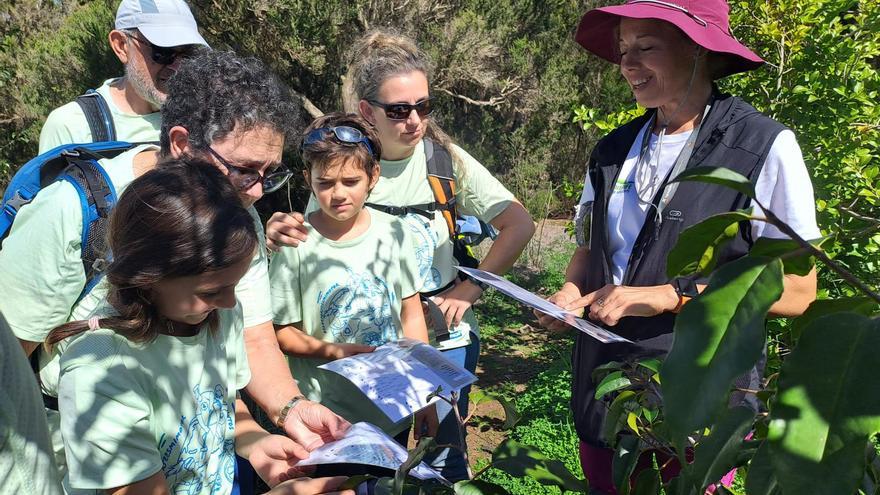
We use a valuable model where an organization formally agrees to sponsor or 'adopt' a public or private natural area. These groups provide continuous support to local authorities by helping with restoration, improvements, sharing information, and even acting as 'eyes on the ground' to spot any issues. The Agua García Forest project, which has been going for nearly eight years, is a great example of how successful and lasting this approach can be.
This is a very effective strategy. We partner with institutions like the University of La Laguna on projects where volunteers get training and then join research efforts. They help collect data using scientific methods, for instance, by monitoring animals, birds, or insects. This gives volunteers a deeper purpose, as they contribute to creating real scientific knowledge.
Both types of volunteering also address social aspects. Corporate volunteering helps teams bond because everyone works together equally in the field, which can even resolve workplace disagreements. Schools have also been very active for the past few years, setting up their own projects. This allows students to learn about environmental issues while providing a valuable service to their community.
Emotions play a big part in this. People feel a strong personal connection to their local environment and want to do something useful. They want to actively help solve environmental problems. Plus, getting involved is educational: if you help clean a beach, you start thinking of solutions that local authorities could use.
Our schedule is strict because we can only replant trees after the first rains, ensuring they have a chance to grow. We can't plant in dry soil. We work closely with the Cabildo's forest management team, who advise us on the best species for each specific area. Our role involves educating people about the environment and then tracking the progress of the planted trees.
The continued existence of our Office shows how valuable it is in connecting the public with local government. Since joining Gesplan, our budget has grown, allowing us to offer better training and ensure we have effective resources. This also links directly to economic growth: if people want specialized training, we need skilled professionals to provide it. This has made us a leading example in the Canary Islands and even across Spain, with other island organizations reaching out to us for guidance.
We always aim to make our activities as accessible as possible for everyone, including people with disabilities, by designing parts of our projects to suit different needs. When it comes to ongoing participation, women aged 45 to 60 make up the largest group, often bringing their children along. Programs like the dual Baccalaureate, which requires students to do 20 hours of environmental volunteering per week, are proving very important. We often see parents getting enthusiastic about the activities alongside their children.
We also work to connect people with both natural and urban spaces. In Santa Cruz, for instance, our 'Healthy Eco-Routes' project involves doctors leading their patients on walks through the city. These routes share health information while also highlighting urban green spaces like parks and gardens. This shows that our conservation and outreach efforts reach every part of Tenerife.