
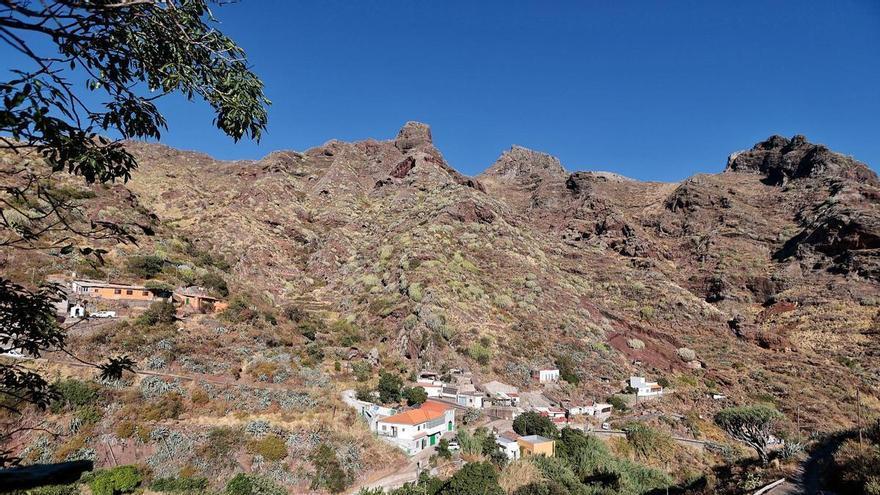
Valle Brosque Residents Demand Better Infrastructure Amid Growing Isolation in Anaga Rural Park
Residents of the isolated Valle Brosque community in Santa Cruz de Tenerife are calling for urgent infrastructure improvements and better administrative support to address the neglect of their neighborhood within the Anaga Rural Park.
The divide between Santa Cruz de Tenerife’s administrative center and its outlying rural areas is once again in the spotlight. A recent report by Diario de Avisos highlights how the small community of Valle Brosque, near María Jiménez, illustrates the disconnect between city policies and the needs of residents living in protected zones like the Anaga Rural Park.
Valle Brosque faces a clear contradiction: while its natural surroundings are ecologically valuable, administrative neglect has left the area increasingly isolated. The community of roughly forty residents reports a long history of being overlooked, particularly regarding basic infrastructure. Most critically, there is no safe bridge across the ravine that divides the hamlet, forcing families to rely on dangerous, makeshift walkways to get around their own neighborhood.
Beyond infrastructure, the area is struggling with the spread of invasive fountain grass (Pennisetum setaceum). This plant has not only changed the landscape but has also pushed out the traditional farming that once made the valley a key supplier of produce for the capital. The decline of this agricultural base, combined with many properties being left empty by absent owners, has created a cycle of abandonment that prevents new families from moving in.
Despite these challenges, the community is showing signs of resilience. The recent launch of local festivities in honor of the Virgin of Fatima—sparked by the opening of a small chapel two years ago—has galvanized residents to push the City Council for change. Thanks to the efforts of the local neighborhood association, there have been some wins, including better bus service, new shelters, and upgrades to the electrical grid.
However, the core issue remains. Residents feel that the Anaga Rural Park is managed unevenly, noting that areas under the jurisdiction of neighboring La Laguna seem to receive better support. This sense of inequality is worsened by the lack of basic amenities like local shops or playgrounds, leaving residents entirely dependent on private cars to reach the city.
The situation in Valle Brosque raises a difficult question for the Canary Islands: how can we balance the preservation of protected land with the right of residents to access the same public services as those in the city? For now, the community is caught between a desire to stay in their homes and the need for real government action—action that goes beyond empty promises and ensures the safety and livability of a neighborhood that, despite being close to the city, feels left behind.