
University of La Laguna to Host International Congress on Macaronesian Wine Heritage
The University of La Laguna will host the first International Congress on "Landscape, Heritage, and Wine Tourism in Macaronesia" on March 13–14 to promote the region's unique "braided cord" vine-training system as a key cultural and economic asset.
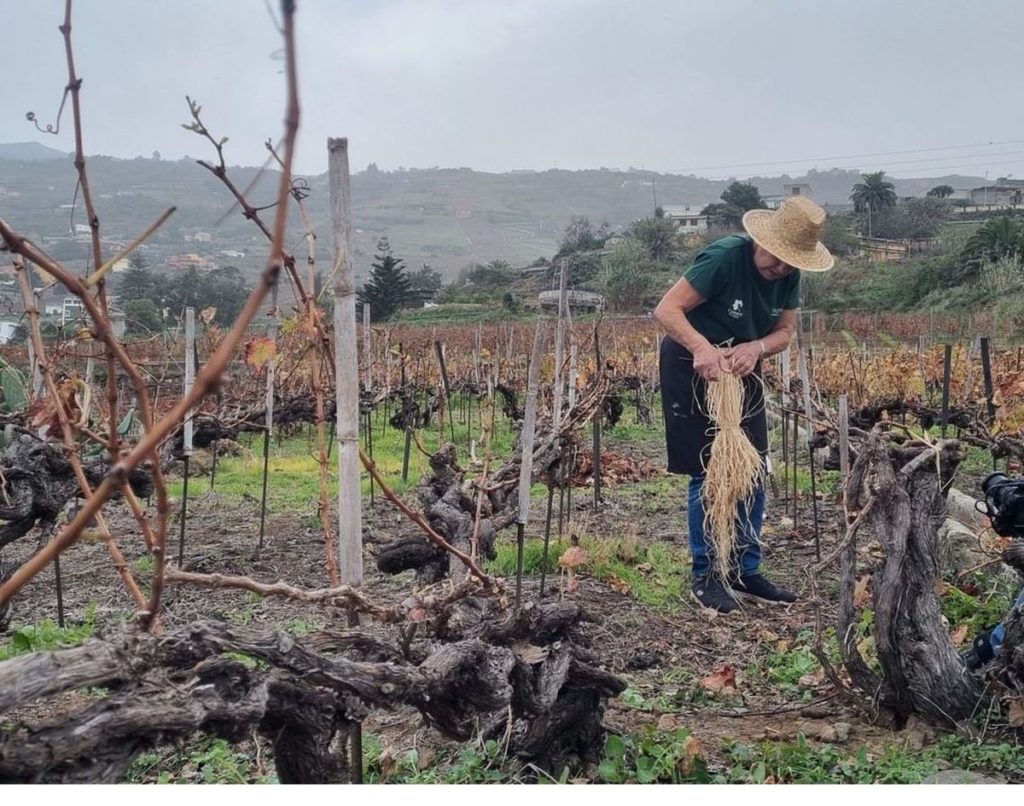
The University of La Laguna (ULL) will host the first International Congress on "Landscape, Heritage, and Wine Tourism in Macaronesia" on March 13 and 14. The event aims to promote the region’s unique "braided cord" vine-training system as a key strategic asset. Beyond celebrating this traditional cultivation technique, the congress seeks to establish the local wine-growing landscape as a vital pillar of the economy and cultural identity across the Macaronesian islands.
The initiative focuses on the distinct vine-training methods found in the La Orotava Valley. Forum coordinators Agustín Dorta Rodríguez and Grecy Pérez Amores explain that this practice is more than just farming; it is a historical record of how humans have adapted to a volcanic environment. La Orotava’s mayor, Francisco Linares, added that protecting these structures is essential for the town’s sustainable development, balancing heritage conservation with tourism growth.
Supported by the ULL Vice-Rectorate for Research and Transfer, the scientific program will feature international experts from institutions such as the Portucalense University of Porto and the University of Alicante. Speakers including Joana A. Quintela, Helena Albuquerque, Javier Martínez Falcó, and Eduardo Sánchez García will discuss how to manage wine-growing regions and foster innovation, bridging the gap between academic research and the islands' agricultural industry.
The congress will blend academic discussion with hands-on experience. While technical sessions will take place at the Orotava City Council’s Noble Hall, attendees will also visit Bodegas Tajinaste to study the braided vines in person. This collaborative effort is backed by the Canary Islands Wine Tourism Cluster and several tourism chairs, highlighting a partnership between public and private sectors to ensure that the region’s agricultural heritage remains a competitive and thriving part of the global economy.