
University of La Laguna Opens Chile-Focused Photography Exhibitions at Casa Anchieta
The University of La Laguna has launched three photography exhibitions at Casa Anchieta as part of Campus América, highlighting the historical, scientific, and environmental ties between the Canary Islands and Chile.
The University of La Laguna (ULL) has transformed Casa Anchieta into a hub for transatlantic dialogue with the launch of three new photography exhibitions. Part of the fifth edition of Campus América, which focuses on Chile this year, the collection will be open to the public until October 30. More than just an art display, the exhibitions explore the deep historical, scientific, and environmental connections between the Canary Islands and Chile.
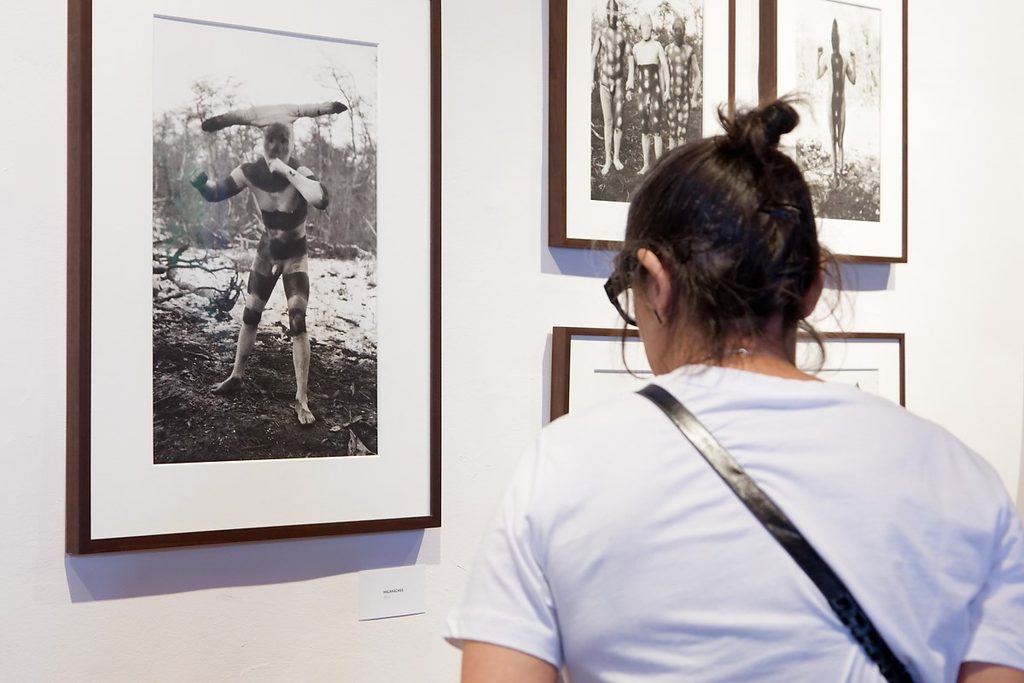
One of the highlights is the Martín Gusinde archive. Between 1918 and 1924, the German priest and ethnologist documented the lives of the Selk’nam, Yaghan, and Kawésqar peoples. Thanks to a restoration and digitization project supported by publisher Xavier Barral and the Filantropía Cortés Solari organization, visitors can now view rare images of these communities’ daily lives and initiation rituals, capturing a unique ethnographic perspective on their culture.
The program also addresses the urgent need for ocean conservation through the work of photographer Eduardo Sorensen. His underwater images, taken between 2018 and 2022 in the Melimoyu area of Chilean Patagonia, showcase the region's incredible biodiversity. By highlighting species like hydrocorals and anemones, the exhibition brings attention to fragile marine ecosystems that are often overlooked in conservation debates due to their remote locations.
Finally, the exhibition Two Hemispheres, One Same Sky, curated by Sara González in collaboration with the Instituto de Astrofísica de Canarias (IAC), explores the scientific bond between the two regions. Because the Canary Islands and Chile are located in opposite hemispheres, they offer a perfect, complementary vantage point for studying the stars. Both regions are world-renowned for their clear, stable skies and minimal light pollution, making them essential hubs for global astronomical research.
The opening ceremony was led by Inmaculada González, Vice-Rector for Internationalization and Cooperation, and Adolfo Cordobés, Councilor for Heritage. They noted that Casa Anchieta is the ideal venue for these exhibitions; historically linked to the figure of José de Anchieta, who dedicated his life to education in Latin America, the building serves as a fitting space to celebrate the academic and cultural ties that define this year’s Campus América.