
Trial Begins for Canary Islands Logistics Firm Accused of Drug Trafficking Front
The Provincial Court of Las Palmas has begun the trial of ten individuals accused of using a logistics firm as a front to traffic large quantities of drugs between the Canary Islands and mainland Spain.
The Provincial Court of Las Palmas began a trial this Wednesday into the infiltration of organized crime within the freight transport industry. Ten people are currently on trial, including the administrator of the Tenerife-based logistics firm Alisios Soluciones Logísticas, who is accused of using the company as a front for drug trafficking between the Canary Islands and mainland Spain.
Prosecutors are seeking prison sentences of up to nine and a half years for the three main defendants. They are also demanding fines totaling 15 million euros and the seizure of luxury assets, including high-end vehicles and electronics. The case underscores a growing trend of criminals using legitimate business infrastructure to move large quantities of illicit substances, hoping to bypass customs and police checks by blending in with regular commercial traffic.
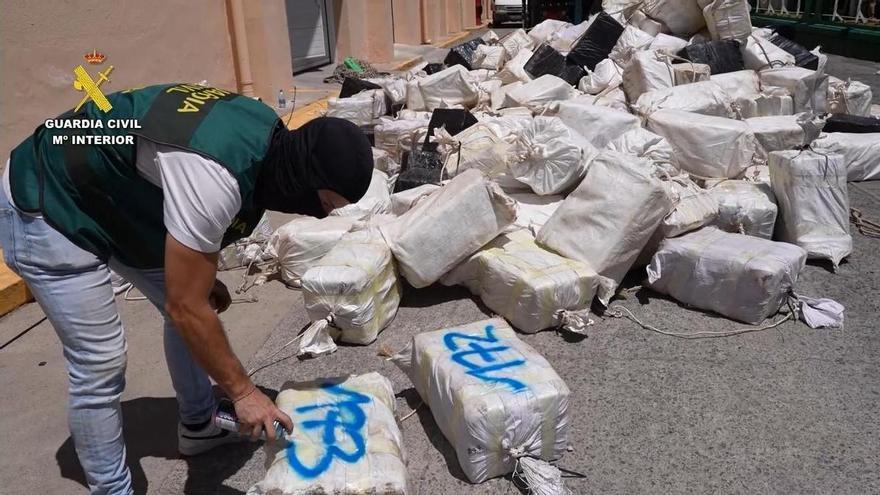
The investigation, which focuses on activities between 2022 and 2023, uncovered a complex smuggling operation. Authorities intercepted several major shipments, including 444 kilograms of cannabis resin in Madrid—shipped from Fuerteventura—and 1,016 kilograms of the same substance found in Telde, which was destined for Granada. These shipments, along with others, have an estimated market value of several million euros.
According to the prosecution, the network resumed operations in February 2023, shifting its focus to cocaine. The logistics manager allegedly helped receive two shipments of 18 and 6 kilograms in Tenerife before coordinating their distribution to Gran Canaria and other locations. During the investigation, police also arrested other individuals, including a person in Tenerife found with ecstasy and cocaine worth 9,000 euros.
This trial aims to hold the ten defendants accountable while highlighting how vulnerable supply chains can be to corruption. By using transport companies as hubs for drug trafficking, criminal groups make it difficult for law enforcement to intervene, as these operations often appear to function like any other legitimate business.