
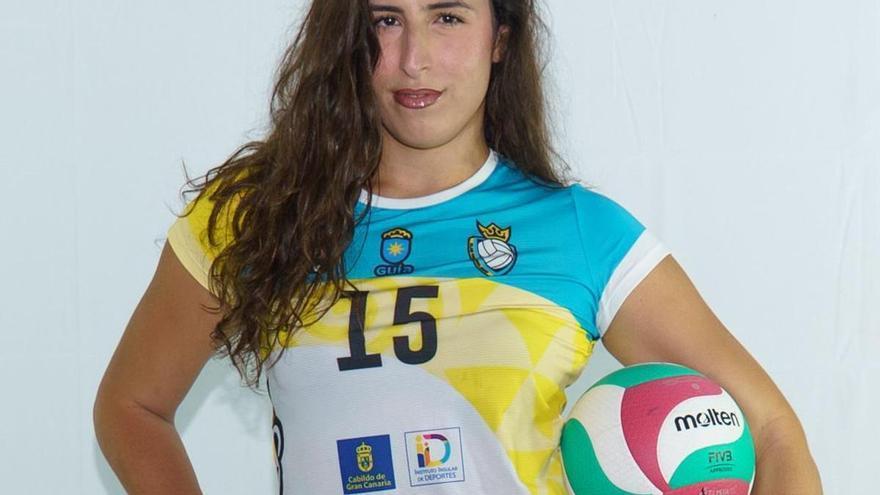
Trans Volleyball Player Omaira Perdomo Criticizes New IOC Eligibility Rules
Spanish volleyball player Omaira Perdomo has criticized the International Olympic Committee’s new restrictions on trans women in elite sports, labeling the policy as discriminatory and lacking scientific justification.
The International Olympic Committee’s (IOC) recent decision to restrict the women’s category to biological female athletes has reignited the debate over inclusion in elite sports. In a recent interview with La Provincia, Omaira Perdomo—a trailblazer who became the first trans woman to play in Spain’s top volleyball division in 2018—spoke out against the move.
Perdomo, who currently plays for Guía, argues that the IOC’s policy is not a technical necessity but a form of exclusion. She believes the decision lacks scientific justification within the context of Spanish sports. According to Perdomo, the media often focuses on high-profile international cases, like swimmer Lia Thomas, to fuel public opposition, while ignoring athletes like herself who began their transition and hormone therapy at age 11. She also points to a double standard, noting that trans men do not face the same level of scrutiny or regulation, which she views as institutionalized transphobia.
Beyond the elite level, Perdomo is concerned about how these policies might affect grassroots sports. While she notes that the number of trans women in Spanish elite sports is very low, she fears that normalizing these restrictions could eventually impact school and youth sports, where the focus should remain on education and inclusion.
Throughout her career, Perdomo has faced hostility, including baseless complaints to sports federations that questioned her eligibility based on prejudice. She describes these incidents as discriminatory attacks that ignore her long, successful career in national clubs, which has never compromised competitive fairness.
As a recognized figure in Las Palmas de Gran Canaria, Perdomo is calling for collective action to challenge these regulations. She advocates for a framework that treats trans and cisgender women equally, arguing that current exclusionary policies undermine the broader principle of equality in women’s sports. Her story highlights the ongoing tension between maintaining fair competition and protecting the fundamental rights of the trans community.