
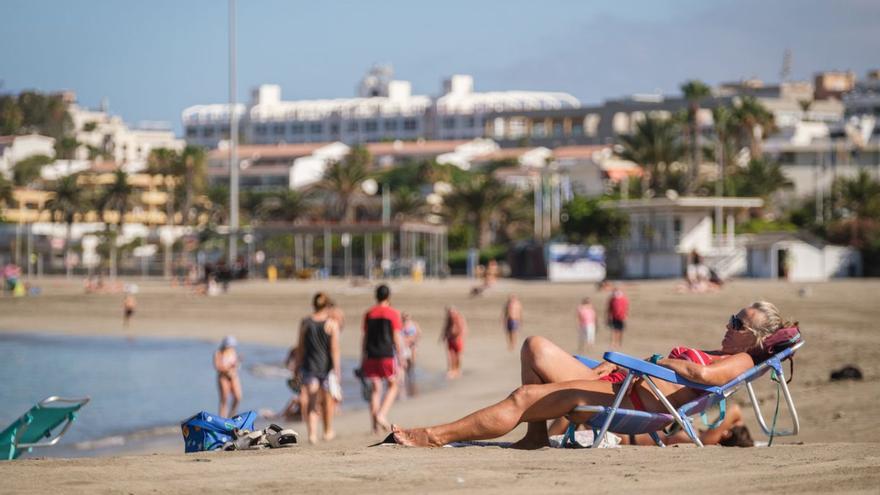
Tenerife leads in hotel occupancy in the Canary Islands, despite concerns in the tourism business.
In Tenerife, August showed a high hotel occupancy rate (86.37%), and Canary Islands tourism in general remains profitable, despite minor concerns about the future.
In Tenerife, August was a successful month for tourism: hotels and other accommodations were filled to an average of 86.37%. This is almost the same as last year. A local hotel association conducted a survey and found that Tenerife is the most popular island among tourists (87% occupancy). Next are La Palma (77%) and La Gomera (65%).
Most tourists were in the south of Tenerife – almost 90%. The north of the island is 82.7% full, and the capital area is just over 62%.
The association also inquired about bookings for September and October. For this month, almost 82% of places in Tenerife have already been booked, 63% in La Palma, and almost 55% in Gomera. The figures for October are slightly lower: 73% in Tenerife, 52% in La Palma, and 45% in Gomera.
Approximately one-third of hotel owners believe that there will be as many tourists this year as last year. Another third hopes for an increase, while the rest expect fewer customers.
Local authorities are closely monitoring the tourism situation to make it more environmentally friendly and modern.
Despite the good results, the tourism business in the Canary Islands is a little worried. Last year was a record year, but now there are some problems, such as the situation in Germany and the cancellation of some Ryanair flights.
But overall, the mood is positive. It is expected that this year's figures will be close to last year's, although slightly lower. Experts say that there is now a "soft landing" after a period of active growth.
Overall, things are good in the Canary Islands: in July, more than 1.2 million foreign tourists arrived, and they spent a record amount of money – more than 2.2 billion euros. This means that tourists are willing to pay more, which makes tourism more profitable.
Interestingly, more and more tourists are staying in private accommodation rather than hotels – already 22%. Although this is still not a very large percentage of the total, the trend is growing.