
Thriving Candelabra Coral Reef Discovered Off Tenerife Sparks Environmental Protection Concerns
Researchers from the Spanish Institute of Oceanography have discovered a thriving, dense population of candelabra coral off the coast of Tenerife, prompting calls for increased environmental protections amid plans for nearby offshore wind energy development.
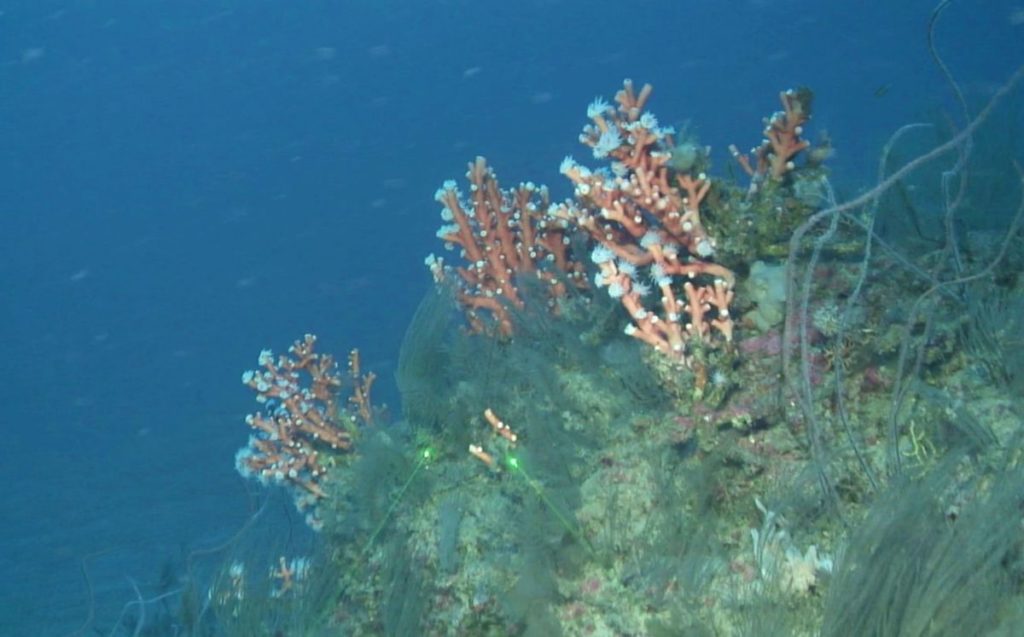
A recent scientific expedition, led by the Spanish Institute of Oceanography (IEO-CSIC), has discovered a thriving ecosystem of candelabra coral (Dendrophyllia ramea) off the southeast coast of Tenerife. While researchers knew this species existed in the Canary Islands, this study—published in Regional Studies in Marine Science—is the first to confirm that the area hosts a remarkably dense and healthy population.
Using the research vessel Ángeles Alvariño and the underwater robot Liropus 2000, the team mapped a 1.8-kilometer stretch of the seabed at depths of 92 to 108 meters. They identified 190 coral colonies, with some areas containing up to 9.3 specimens per square meter. Many of these corals span nearly 70 centimeters, suggesting they are mature and healthy, rivaling the best-preserved populations found in the Mediterranean.
This discovery has sparked an important conversation about environmental protection and offshore wind energy. The reef is located less than two kilometers from areas currently being considered for wind turbine installations. While lead researcher Silvia Oliva notes that there is no current evidence of damage from the energy industry, the proximity of the project suggests that maritime planning needs to be approached with caution. Scientists warn that disturbing the seabed or changing local fishing practices could threaten this vulnerable habitat.
Beyond its appearance, the candelabra coral is vital to the local ecosystem, as its branched structure provides a necessary refuge for various fish species. Despite its ecological importance, Dendrophyllia ramea lacks the same level of legal protection in the Atlantic as it does in the Mediterranean.
This research, conducted as part of the EU-funded BIODIV project, highlights the challenge of balancing the transition to renewable energy with the need to protect marine life. The team also noted the presence of discarded fishing gear on the seafloor, serving as a reminder of the existing human impact on these waters. Experts are now calling for science-based preventive measures to be put in place before any industrial activity moves forward in the region.