
Tenerife battles phylloxera: the threat to vineyards remains
The search for phylloxera in Tenerife vineyards continues, although the pest has not been found in the soil or roots, and the authorities are urging winemakers to be vigilant and promising compensation.
The search for phylloxera, a vineyard pest, continues in Tenerife. Narvay Quintero, the Councilor for Agriculture of the Canary Islands, reported that it was not found in the soil and roots of the tested plants. Experts examined 28 municipalities and checked 96 roots as part of 2,534 inspections.
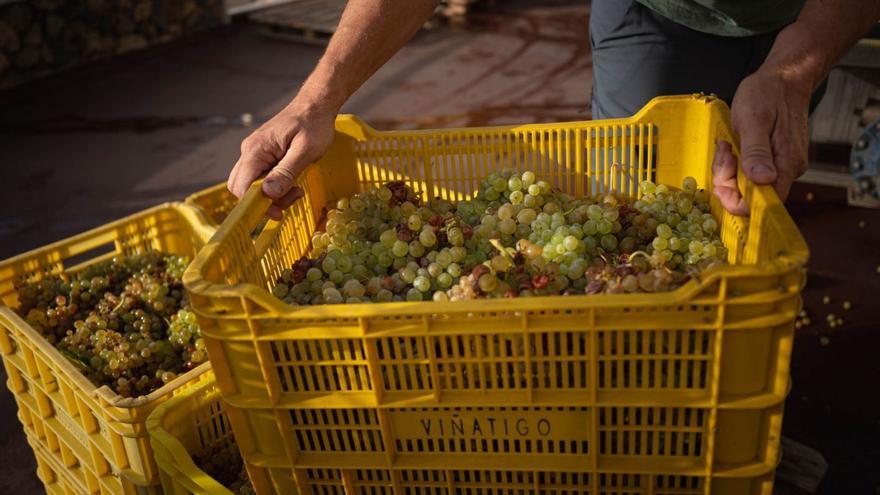
According to Quintero, 56 grape plants are still affected, the same as last week. The pest only affects the leaves, and it is not present at all in La Matanza de Acentejo and Tejina. The main thing now is to protect the grapes, the farmers, and this year's harvest, which is already half completed.
The councilor emphasized that the Canary Islands remain a phylloxera-free zone. He also noted that Tenerife is the biggest challenge, as it is home to six of the islands' eleven wine-growing regions.
Quintero urged winemakers to be vigilant and follow the rules issued by the government on August 20. He explained that this tiny aphid can spread by wind, with infected plants, fruits, or tools.
It is still unknown where phylloxera came from in the Canary Islands and when it appeared here. Quintero says it is difficult to determine.
He also said that he held 26 meetings with winemakers, which were calm and constructive. He thanked them for their cooperation. Agriculture has already allowed 250 grape transports after inspection, although in some cases it had to be refused. Quintero promised compensation to those affected by the restrictions.
Phylloxera was first discovered on July 30 on a neglected farm in Valle de Guerra. The government of the Canary Islands confirmed the presence of the pest on August 12 and issued an order for urgent measures to prevent its spread on August 20.
Quintero announced the creation of a technical committee that will develop a genetic study and a strategic plan for the vineyards of the Canary Islands. The plan will include the restoration of grape varieties, a process that will take 6-10 years.
The opposition supported the work of the Ministry of Agriculture in the fight against phylloxera. Deputies stressed the importance of protecting vineyards to avoid negative consequences such as forest fires. They also called for support for the state-owned company Cultesa.
Deputies called for caution and improved border controls to prevent the spread of the pest. They also stressed the need to increase funding for the Ministry of Agriculture.