
Tenerife is studying the experience of the Azores in developing geothermal energy.
The Cabildo of Tenerife is studying the experience of the Azores in geothermal energy to implement it on the island and reduce dependence on fossil fuels.
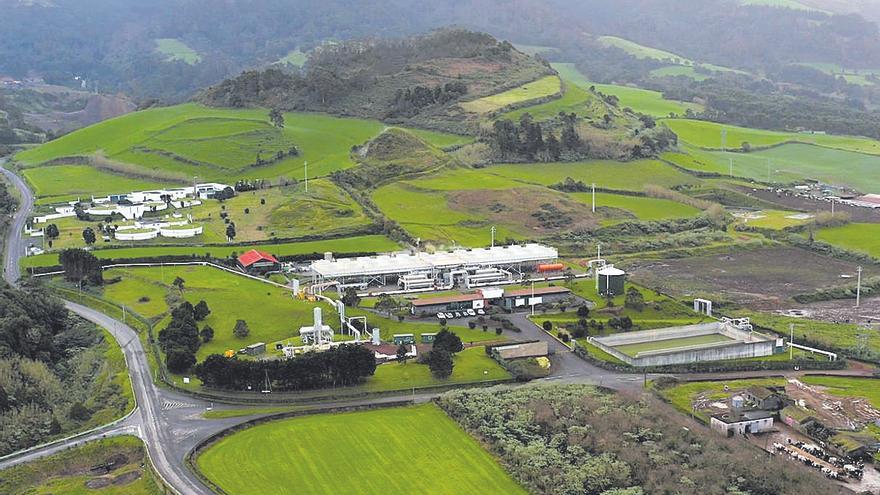
The Cabildo of Tenerife, together with the company Energía Geotérmica de Canarias, visited the Pico Vermelho geothermal power plant in the Azores (Portugal). The purpose of the visit was to study how geothermal energy is developed there and to consider whether this experience can be applied in Tenerife.
The Pico Vermelho power plant, owned by EDA Renováveis, uses the earth's heat to generate electricity. It produces up to 10 megawatts and, together with another plant, Ribeira Grande, provides 33% of the island's renewable energy needs. At the same time, the plant blends harmoniously with the environment.
The President of the Cabildo of Tenerife, Rosa Dávila, emphasized that this visit is very important: "This is a chance for Tenerife to abandon fossil fuels. We can create a reliable and environmentally friendly energy grid that will operate around the clock."
She also added that it is important to protect nature: "We will take care of our land so that the plant does not harm the environment. That is why the visit to the Azores was so important, because their nature is similar to ours, and geothermal energy provides 42% of their energy."
The Director of DISA Energía, Santiago Rull, noted: "The Azores, like the Canary Islands, are a remote region that has developed energy well. They have been using geothermal energy for over 45 years." He also emphasized that now is a great time for the Canary Islands to reduce emissions of harmful substances and fuel consumption by generating electricity from geothermal sources. "Given the peculiarities of our archipelago, this solution should become part of our energy balance," he said.
Julieta Schallenberg, Deputy Councillor for Ecological Transition, Climate Change and Energy of the Government of the Canary Islands, noted that they are studying all aspects of the use of geothermal energy. "We want people to know about its benefits and see examples, like in the Azores, where everything is safe," she added.
The General Director of Industry, Ana Zurita, emphasized that geothermal energy is not only an almost inexhaustible source of energy, but also an economic benefit, as it reduces energy costs and electricity prices for the population. "We believe that geothermal energy is an opportunity for local business, as it stimulates entrepreneurship, attracts investment, promotes sustainable industrial development, creates jobs and boosts the economy," she said.
The use of geothermal energy in Tenerife and the Canary Islands can reduce electricity production costs, which are currently around €300 per megawatt/hour, and possibly reduce electricity bills by 30%. It will also help achieve the goals set out in the Law on Climate Change and Ecological Transition, which envisages a 90% reduction in carbon emissions on the islands by 2040.
During the meeting, António Luís Peixoto from EDA Renováveis spoke about the experience of using geothermal energy in the Azores. He spoke about the history of geothermal development in the archipelago, its potential and benefits for the economy and the environment.
The company representative explained that geothermal energy is extracted from a depth of 1 to 2.4 kilometers. He also noted that there is no electrical connection between the islands of the Azores archipelago, so each of them has been developing its own energy production system for 40 years. This explains the success in the implementation of geothermal energy, as well as other sources, such as hydro and solar energy.
The Councillor for Innovation of the Cabildo of Tenerife, Juan José Martínez, said that this visit is a way to find energy independence, abandoning fossil fuels and creating an autonomous energy system that will operate 365 days a year.
Government officials also visited the power plant to learn about its infrastructure, equipment and wells from which geothermal energy is extracted.
The Pico Vermelho and Ribeira Grande plants use wells drilled in a high-temperature reservoir, where the temperature reaches about 240º C.
Geothermal energy has become the main source of energy in the Azores. There are plans to expand both plants, adding 12 and 5 megawatts respectively, so that by 2027 renewable energy sources will provide 53% of the islands' needs (currently 21%).
Energía Geotérmica de Canarias is a joint venture of the Cabildo of Tenerife, DISA and the Icelandic company Reykjavik Geothermal. Its goal is to explore the island's potential through research and feasibility studies.
The Director of ITER, Carlos Suárez, believes that the visit was strategically important for the development of geothermal energy in Tenerife. "It gives us an idea of how it affects an island region like the Azores and of all the benefits of geothermal energy for electricity generation in an island system," he said.
The project is financed with €43.2 million from the Spanish Government's Recovery, Transformation and Resilience Plan and the European Union's Next Generation funds.
One of the main goals of the project is to transform the region into a leader in geothermal energy production in Spain thanks to its rich geological resources.
An additional advantage of deep geothermal energy is that at great depths there are often water reserves that are inaccessible by traditional methods and unsuitable for drinking. This water, heated to high temperatures, is used to produce steam that rotates turbines. After that, the water becomes very clean and can be used for agriculture or domestic needs.
The project in Tenerife was made possible thanks to the support of the Institute for Diversification and Energy Saving of Spain (IDAE), which co-financed the initial studies with funds from the European Union's Next Generation. These grants cover 50% of the cost of the investment.
Why geothermal energy? This technology is the key to Tenerife's energy future. It can make a decisive contribution to our energy independence. It is a reliable and continuous source of energy that is independent of the climate, helps stabilize energy grids and effectively replaces obsolete power plants.
Geothermal energy does not emit CO2 into the atmosphere, helping to achieve the goal of reducing carbon emissions on the islands. The lifespan of a field can last a very long time. In addition, the cost of geothermal energy is less than €300/MWh currently paid for conventional production.
Geothermal energy is clean energy waiting underground: constant, with minimal impact on the environment and can play a crucial role in reducing power outages, ensuring the stability of the electrical system.
If geothermal energy has any drawbacks, it is the high cost of investment required to launch it. First in subsurface exploration and then in drilling, which does not always guarantee success. The most developed countries in geothermal energy usually have several things in common: clear and stable rules and appropriate tariffs that provide confidence for investment.
In Spain, there is now progress in rules and assistance, but there is a lack of tariffs, which are important to ensure the safety of large investments made in this type of project, which other countries, such as Italy or Iceland, have already decided some time ago. In Europe, feed-in tariffs for initial geothermal projects range from €200 to €300/MWh. The Ministry for Ecological Transition and Demographic Challenge plans to replicate this model in Spain.
The Scientific Director of ITER, Nemesio Pérez, believes that the lack of a specific tariff for electricity generation from geothermal resources in Spain could be a significant obstacle to attracting investors. Without a clear incentive scheme, investors cannot predict future project revenues, which increases financial risk.
EGC will begin its soundings in southern Tenerife in the autumn. The municipality in which the first sounding will be developed will become a pioneer in energy destined to revolutionize the world of renewable sources and, in the medium term, put the Canary Islands in a position to eliminate their dependence on imports of traditional fuels.
The delay in resolving mining tenders and in obtaining permits to carry out soundings threatens compliance with the deadline set by IDAE for the execution of geothermal projects, scheduled for January 2026. Added to this is the time required to negotiate complex contracts with the companies responsible for carrying out the soundings and managing the logistics of the equipment.
Given that this is a pioneering project in Spain, with high technical complexity and located in a remote region with demanding logistical conditions, a request has been submitted to IDAE for a one-year extension of the execution deadlines in order not to lose this strategic opportunity for the Canary Islands.