
The Artificial Origins and Hidden History of Tenerife’s Las Teresitas Beach
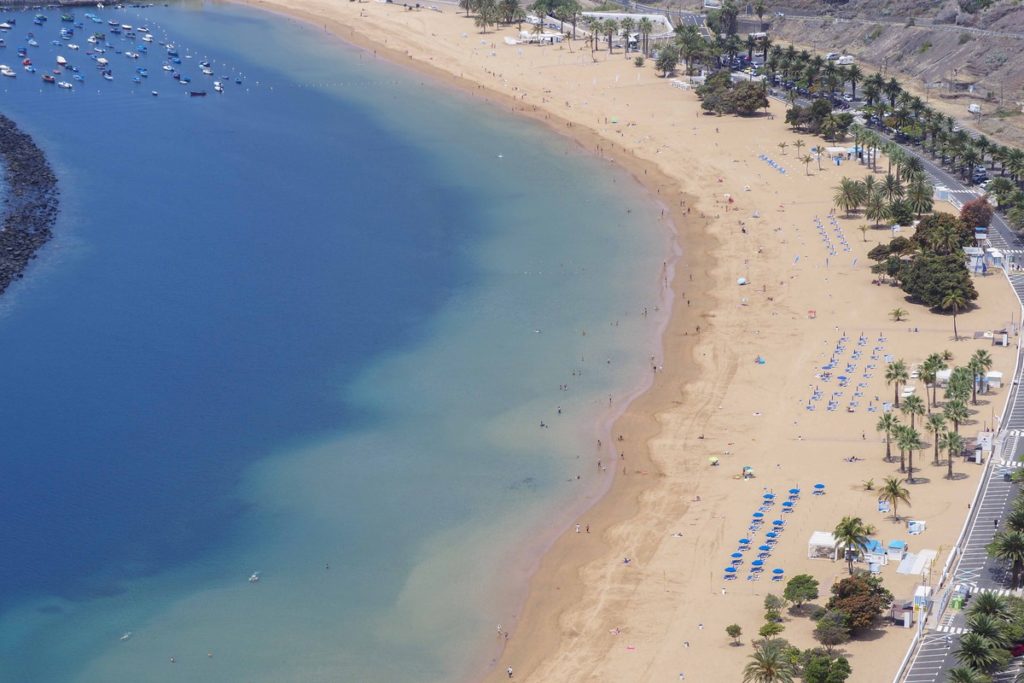
Las Teresitas beach in Tenerife stands as a prime example of human engineering, having been transformed from a rugged coastline into an artificial tourist destination using 270,000 tons of Saharan sand.
The transformation of Las Teresitas beach in Santa Cruz de Tenerife is a prime example of how human intervention has reshaped the Canary Islands' coastline. What is now a popular leisure destination is actually the result of an ambitious 1973 engineering project that completely changed the original landscape of the San Andrés coast.
The project was designed to make the area safer by blocking the strong currents and waves that had historically caused accidents. Engineers built a one-kilometer-long breakwater to stabilize the shoreline and created an artificial beach by importing 270,000 tons of sand from the Sahara. This process also sparked a persistent, though scientifically unfounded, local myth that the sand brought African spiders to the island.
Beneath the sand, the beach holds a complex history. Records show that the area once housed the old San Andrés cemetery, with remains left buried beneath the new surface during construction. The site also enjoyed a period of aristocratic prestige in the mid-20th century; in 1960, Princess Diane of Orléans and the Duke of Württemberg stayed at a summer mansion located in the center of the beach. Today, only a few wall remnants and plants near access points 7 and 8 remain of that demolished estate.
Las Teresitas is now much more than just a beach. Unlike the natural volcanic shores found elsewhere in Tenerife, such as Taganana or Las Gaviotas, this artificial landscape is frequently used as a backdrop for international film and television productions. With 400 palm trees and facilities to support visitors from the nearby capital, the beach has become a vital economic asset—perfectly illustrating the ongoing tension between preserving local identity and meeting the demands of modern tourism.