
Tercera Federación Group XII Season Set to Kick Off Following Delay
The Tercera Federación Group XII season begins on October 21st following a delay for the Canary Islands' UEFA Regions' Cup campaign, highlighting a shifting geographical balance as Tenerife's southern clubs continue to dominate regional representation.
Group XII of the Tercera Federación kicks off this weekend. The season’s start was delayed by a unanimous vote from all 18 clubs to allow the Canary Islands regional team to compete in the UEFA Regions' Cup in Latvia, where they successfully qualified for the continental finals. According to La Tercera Federación Canaria, the opening round has been rescheduled for October 21st.
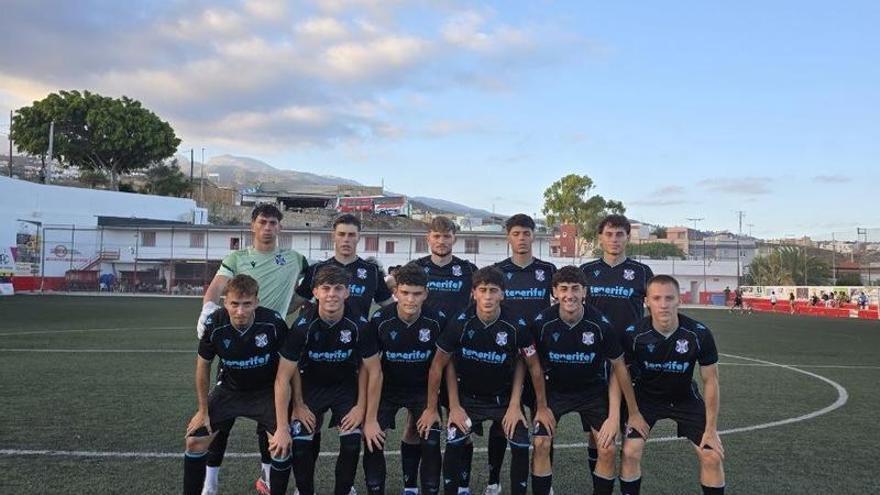
This season brings a notable shift in the league's geography. The province of Santa Cruz de Tenerife has reversed a recent decline, increasing its representation from four to six teams. With CD Laguna and UD Añaza joining CD Marino, CD San Miguel, Real Unión de Tenerife, and CD Tenerife’s second reserve team, the western province has narrowed the gap with the ten clubs representing the province of Las Palmas.
Despite this growth, a clear territorial imbalance remains: there are no clubs from the north of Tenerife in this fifth-tier national league. Historic clubs like Realejos, Orotava, and Icodense are currently in lower divisions. Many in the sporting community attribute this to the financial challenges of competing with the wealthier southern clubs. While teams like Puerto Cruz, Atlético Victoria, and Vera are working to stay competitive in the Primera Regional, the north continues to struggle to return to the Tercera.
Meanwhile, the eastern province remains strong. Gran Canaria contributes five teams, Lanzarote retains three, and Fuerteventura has increased its presence with two teams promoted from the Preferente division. La Palma is represented by two clubs: CD Mensajero, a long-standing benchmark, and UD Los Llanos de Aridane, which replaces Tenisca following its relegation. This follows the departure of Atlético Paso, who moved up to the Segunda Federación. This new distribution of teams highlights the ongoing challenge of maintaining stable football clubs amid the rising costs of competing at this level.