
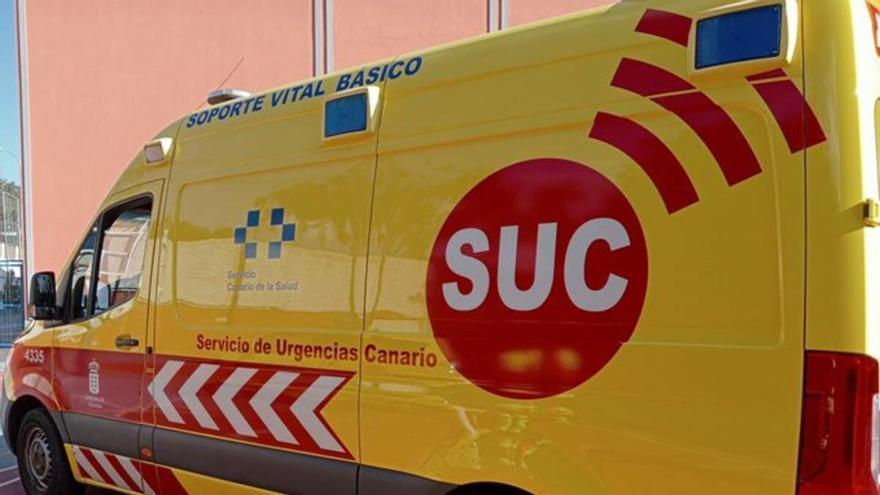
Tenerife Woman Delivers Baby at Home With Remote Guidance From Emergency Services
A 34-week pregnant woman in Tenerife successfully delivered her baby at home with the life-saving guidance of a Canary Islands Emergency Service nurse over the phone.
A recent emergency in Guía de Isora, Tenerife, has highlighted the life-saving potential of remote medical assistance. A woman who was 34 weeks pregnant successfully gave birth at home with the help of a nurse from the Canary Islands Emergency Service (SUC), who guided her over the phone. According to regional officials, this remote support was crucial in keeping both the mother and baby safe until paramedics arrived.
This incident shows how vital telephone support is during out-of-hospital emergencies, acting as a bridge between the start of a crisis and the arrival of help. In this case, the SUC professional kept the mother calm while providing clear, technical instructions. The nurse guided her through the delivery, including how to check the umbilical cord, keep the baby’s airway clear, and ensure the newborn stayed warm through skin-to-skin contact.
The nurse confirmed the baby was healthy after hearing him cry, a response prompted by the coordinator’s instructions to use gentle tactile stimulation. Shortly after, a medical team—including a doctor, a nurse, and a technician—arrived to stabilize both mother and baby before transporting them to the Nuestra Señora de Candelaria University Hospital.
The success of this birth underscores the high level of training required for emergency coordinators, whose ability to give calm, precise instructions under pressure can be the deciding factor in a crisis. Far from being just a formality, telephone assistance is a fundamental part of the public health system, empowering people without medical training to act effectively during complex emergencies while professional help is on the way.