
Tenerife Winery Leverages AI and Real-Time Data to Revolutionize Sustainable Viticulture
Tenerife’s Viñátigo winery is leveraging artificial intelligence and two decades of sensor data to optimize crop management, reduce chemical reliance, and advance sustainable viticulture.
Digital technology is no longer just a future goal for Spain’s primary sector; it is now a practical reality in the wine industry. A recent report on the Tenerife-based winery Viñátigo shows how advanced algorithms and real-time monitoring are moving crop management beyond traditional methods, making artificial intelligence a key tool for regenerative farming.
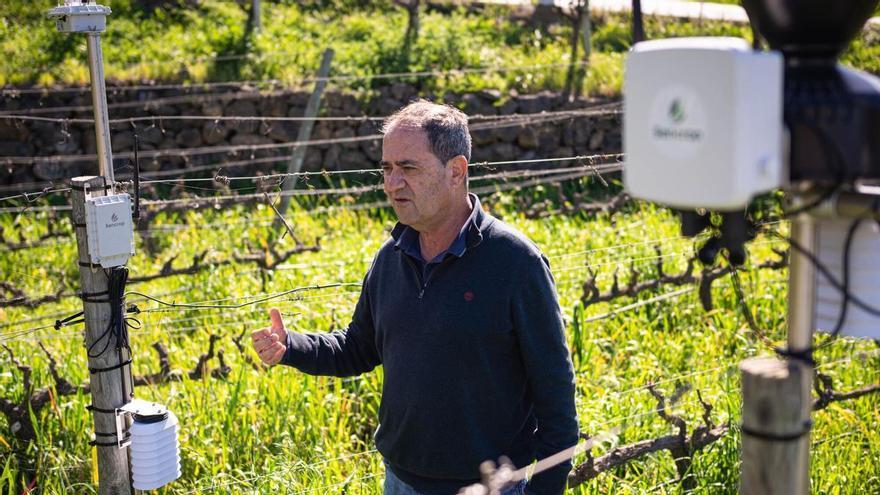
The project, led by Juan Jesús Méndez Siverio in La Guancha, proves that historical data is a winery's most valuable asset. By analyzing two decades of sensor records, the team can optimize water use, reduce chemical reliance, and predict fungal diseases like powdery mildew. By combining weather data with soil conditions, the winery can make precise, data-driven decisions that minimize environmental impact.
Daily vineyard operations are now managed through digital interfaces that track everything from solar radiation and photosynthesis to soil moisture and wind speed. Using a custom system that links weather forecasts with field logs, winemakers like Jorge Méndez can pinpoint the best times for field work. This precision improves efficiency and allows for more reliable harvest planning and commercial management.
Viñátigo is also addressing the environmental cost of technology. Because data processing requires significant energy, the winery balances its footprint by using cover crops to capture carbon, while relying on solar power and water purification systems. This approach shows that digital tools can coexist with biodiversity, helping to bridge the gap between winemaking tradition and the sustainability needs of the 21st century.