
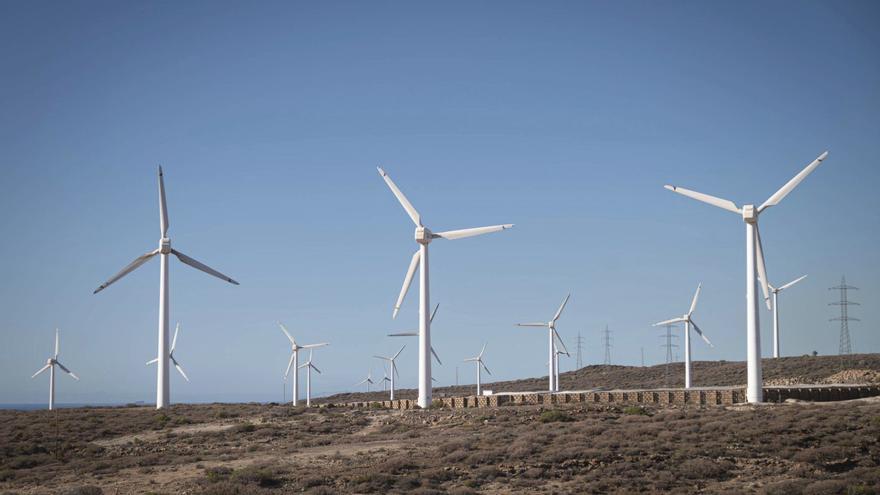
Tenerife Wind Farm Project Stalls Amid Local Opposition and Technical Hurdles
DISA Energía Renovable has paused its 22.3 million euro wind farm project in Tenerife following local opposition and technical challenges regarding power line placement.
The transition to renewable energy in the Canary Islands is facing a new hurdle in southeastern Tenerife. Developer DISA Energía Renovable SLU has paused work on the El Pilón I and II wind farms in Fasnia and Güímar to re-evaluate the technical feasibility of their power lines. This connection to the Valle de Güímar Industrial Estate substation has stalled a project worth 22.3 million euros, which was expected to provide 23.5 megawatts of capacity.
This conflict highlights the ongoing tension between the islands' energy goals and the need to protect local landscapes and quality of life. While the company insists its six wind turbines are located on appropriate, regulated land, the project faces strong opposition from local residents and municipal governments. Last year, the Tenerife Island Council (Cabildo) formally opposed the plans, citing concerns over the placement of the turbines and the proposed route for the power lines.
The project’s path is complicated by rugged terrain and deep ravines, such as Herques. To break the deadlock, the developer is now looking into burying the power lines underground to minimize their visual and environmental impact. Despite this, the project remains in limbo, with 181 plots of land affected and no clear resolution to the formal objections raised by local groups and residents.
The Ecomarca Platform, the project's primary critic, argues that the turbines are too close to residential areas. While the group supports renewable energy, they maintain that projects must respect the local environment and include meaningful public participation. They are still waiting for a formal response to their concerns. Meanwhile, the developer maintains that the project is essential for the region’s energy goals, noting that the sites were chosen specifically for their wind resources and land zoning.
This situation serves as a case study in the challenges of building large-scale renewable infrastructure in a densely populated area with significant heritage protections. The developer must now find a way to balance its investment plans with the needs of a community that is demanding a seat at the table.