
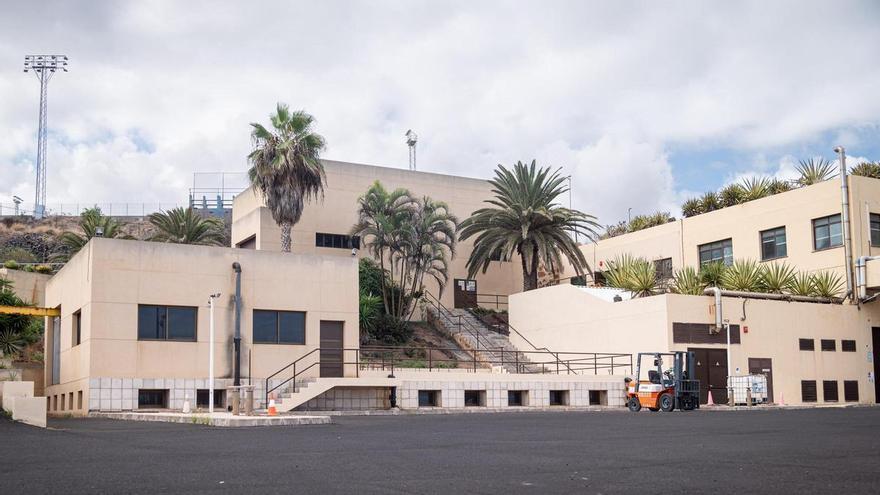
Tenerife Wastewater Plant Delays Fuel Agricultural and Environmental Crisis
The La Orotava Valley wastewater plant in Tenerife faces significant delays and technical failures, leaving the facility unable to meet its agricultural water targets or resolve ongoing sewage discharges at Playa Jardín.
Water management in northern Tenerife is currently facing significant technical and political uncertainty. Official reports from the Island Council reveal that the tertiary treatment system at the La Orotava Valley wastewater plant (EDAR) in Punta Brava has been in a testing phase for ten months. This is a far cry from the council’s initial promises, which presented the facility as an urgent solution to both agricultural water shortages and sewage discharge issues.
Data shows a stark contrast between the project’s goals and its actual performance. While the system was designed to provide 5,500 cubic meters of water daily, it has only delivered 93,008 cubic meters in total since testing began. This output is far too low to support the local agricultural sector, and it has failed to stop the sewage discharges that continue to damage the environment and tourism, particularly at Playa Jardín in Puerto de la Cruz.
The project, which began in August 2024, has faced repeated delays. What was originally an eight-month timeline has now been pushed back to March 2026. Officials blame these setbacks on difficulties sourcing electrical components, but political opposition leaders, including Tamara Raya of the Tenerife PSOE, have criticized the council for failing to manage the project effectively, noting that the ongoing delays are hurting both the local economy and the coastline.
This situation highlights a deeper, structural issue. The Punta Brava plant, built in the 1990s, was flagged by the Island Water Council in 2022 as being at the end of its lifespan and failing to meet European environmental standards. Because the plant serves Puerto de la Cruz, La Orotava, and Los Realejos, the pressure to complete the new, two-phase treatment system is mounting.
The island administration is now under pressure to provide a clear timeline for when the system will be fully operational and to explain the technical failures preventing it from reaching its promised capacity. Resolving these issues is critical to addressing the dual crisis of agricultural water supply and the environmental recovery of the Puerto de la Cruz coast.