
Tenerife Uses Bat Populations as Bioindicators to Track Forest Fire Recovery
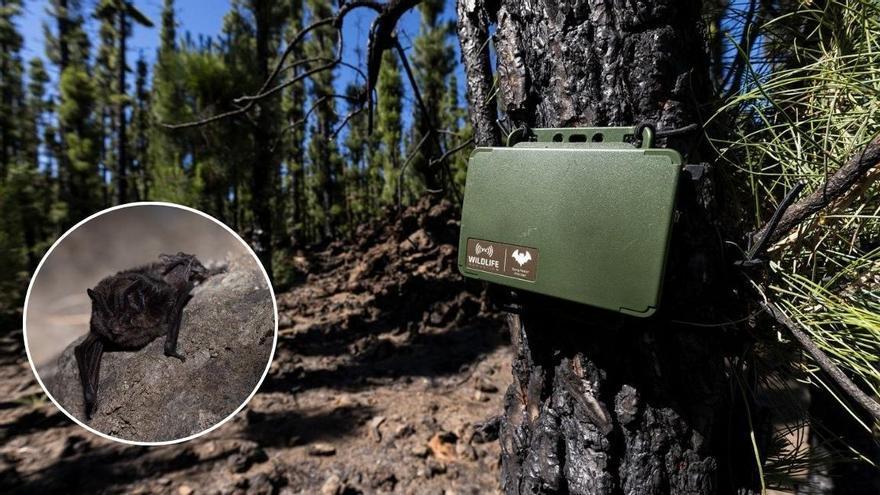
Tenerife is using a network of 108 bat shelter boxes to monitor the ecological recovery of its pine forests following the devastating 2023 wildfires.
The recovery of Tenerife’s forest crown after the devastating 2023 wildfire is about more than just replanting trees. According to the Tenerife Island Council, the health of the ecosystem is being tracked through a network of 108 shelter boxes designed to support local bat populations. These animals lost much of their natural habitat when the fire scorched nearly 15,000 hectares of land.
For the past two years, researchers have used these shelters to monitor the resilience of the forest by studying key species, including the critically endangered Canary long-eared bat and the Canary barbastelle. Because these bats act as natural pest controllers, their return to the area is a vital sign that the pine forest is becoming healthy and stable again. Their presence serves as a "bioindicator," helping scientists measure how well the environment is recovering.
Tenerife is home to a unique variety of bats, including the Madeira pipistrelle, the mountain long-eared bat, the lesser noctule, and the European free-tailed bat. The island’s current strategy, led by Council President Rosa Dávila and Minister of Natural Environment Blanca Pérez, goes beyond simple wildlife protection; it combines species conservation with a scientific approach to restoring the landscape.
This project is essential because these bats have very limited habitats. By providing artificial shelters, the council is helping to bridge the gaps caused by forest fragmentation, allowing the bats to continue their important work in the ecosystem. Ultimately, the program’s success isn't just measured by how many bats use the boxes, but by the proof that the forest can once again support the complex life cycles necessary for the long-term survival of the Canary Islands' natural heritage.