
Tenerife Unveils €9.6 Million Strategic Plan to Revitalize Coastal Infrastructure
The Tenerife Island Council has launched a 9.6 million euro strategic plan to rehabilitate and improve coastal infrastructure across twenty municipalities through 2030, prioritizing environmental sustainability and public access.
The Tenerife Island Council has unveiled a new strategic plan for 2026–2030, titled "Tenerife and the Sea," which aims to transform how the island manages its coastline. With a budget of 9.6 million euros, the initiative focuses on reorganizing and rehabilitating various coastal areas across the island.
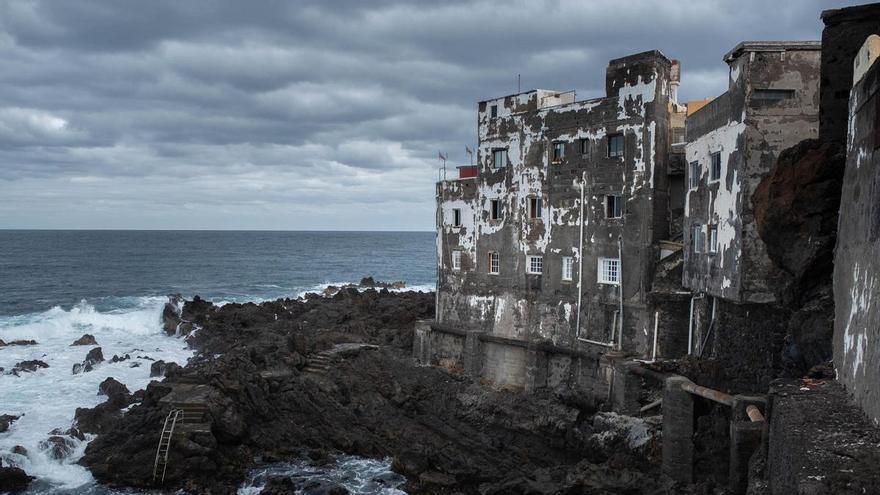
The most significant project will take place in Punta Brava, Puerto de la Cruz. This area has become a priority following recent sanitation issues that impacted the water quality at nearby Playa Jardín. The project aims to improve public access and safety along this rugged, volcanic coastline while protecting its natural environment. The first phase of land acquisition for this site is already complete.
This plan is part of a wider effort involving twenty municipalities. The Island Council is contributing 8.1 million euros, supplemented by 1.4 million euros in local funding.
The program goes beyond simple aesthetics. Planned improvements include upgrading promenades, trails, and access points to bathing areas. Key projects include:
- Rehabilitating infrastructure in San Marcos and El Caletón (Garachico).
- Upgrading the Paseo de Martiánez in Puerto de la Cruz.
- Improving access to Las Gaviotas and Valleseco in Santa Cruz.
- Renovating wooden walkways in El Médano and Los Abrigos (Granadilla).
The plan also covers several other municipalities, including Adeje, Arico, Arona, Guía de Isora, and Santiago del Teide.
Lope Afonso, Vice President of the Tourism department, described the plan as a vital step in balancing local economic growth with environmental sustainability. He emphasized that managing natural resources carefully is essential to maintaining the island’s long-term competitiveness in the face of tourism pressure. This strategy highlights a growing commitment by Canary Islands officials to protect fragile ecosystems, particularly following recent pollution concerns that have prompted a closer look at the island's coastal infrastructure.