
Tenerife Unveils €5 Million Strategy to Curb Traffic in Anaga Biosphere Reserve
The Tenerife Island Council has unveiled a €5.09 million strategy to curb traffic congestion in the Anaga Biosphere Reserve by prioritizing public transport and shuttle services over road expansion.
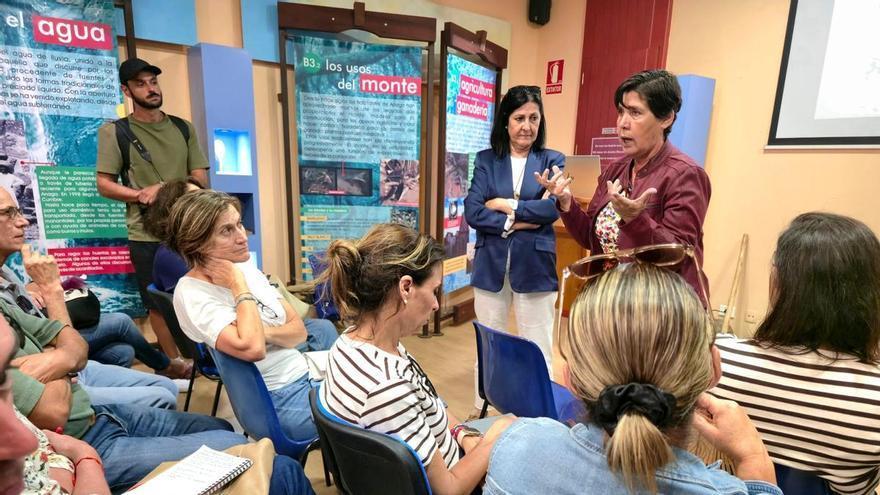
The Anaga Biosphere Reserve has reached a critical turning point in how it manages visitors. Following a presentation this week at the Cruz del Carmen Visitor Center, the Tenerife Island Council (Cabildo) unveiled a new strategy to overhaul mobility in the protected area. Developed with support from the University of La Laguna and funded by Next Generation grants, the plan is based on a simple reality: the massif has reached its limit.
A study based on 1,400 surveys from late 2024 shows that over half of all visitors rely on private cars. This, combined with narrow roads and a lack of parking, has led officials to rule out any road expansion. Instead, the €5.09 million plan focuses on 24 measures designed to improve traffic management and boost public transport.
The draft proposal includes a shuttle service connecting park-and-ride lots to popular viewpoints and hiking trails. This would be supported by updated bus routes and an on-demand transport service for remote villages. The Council also plans to use real-time sensors and an advance booking system to manage traffic flow and prevent congestion before it starts.
To improve safety, the plan suggests restricting large tourist buses on narrow roads and increasing enforcement against illegal parking. A stronger presence of security and environmental officers will also be used to help pedestrians, cyclists, and drivers share the space more safely.
However, local residents remain skeptical. During recent meetings, community representatives raised concerns about the plan’s lack of detail, particularly regarding where new parking spaces could realistically be built. Some residents argue that the proposal needs to be more practical and better address the daily needs of those living in the massif.
Council members Blanca Pérez and Eulalia García maintain that this shift is essential, arguing that protecting the environment and supporting the local quality of life go hand in hand. While the Council describes the plan as a "living document" open to further discussion, its success will ultimately depend on providing transport alternatives that effectively reduce traffic in one of the island’s most fragile ecosystems.