
Tenerife University Mobility Plan Cuts Traffic Congestion on TF-5 Motorway
Tenerife’s partnership with the University of La Laguna has successfully reduced peak-hour traffic on the TF-5 motorway by staggering class times and expanding public transport, removing hundreds of private vehicles from the road daily.
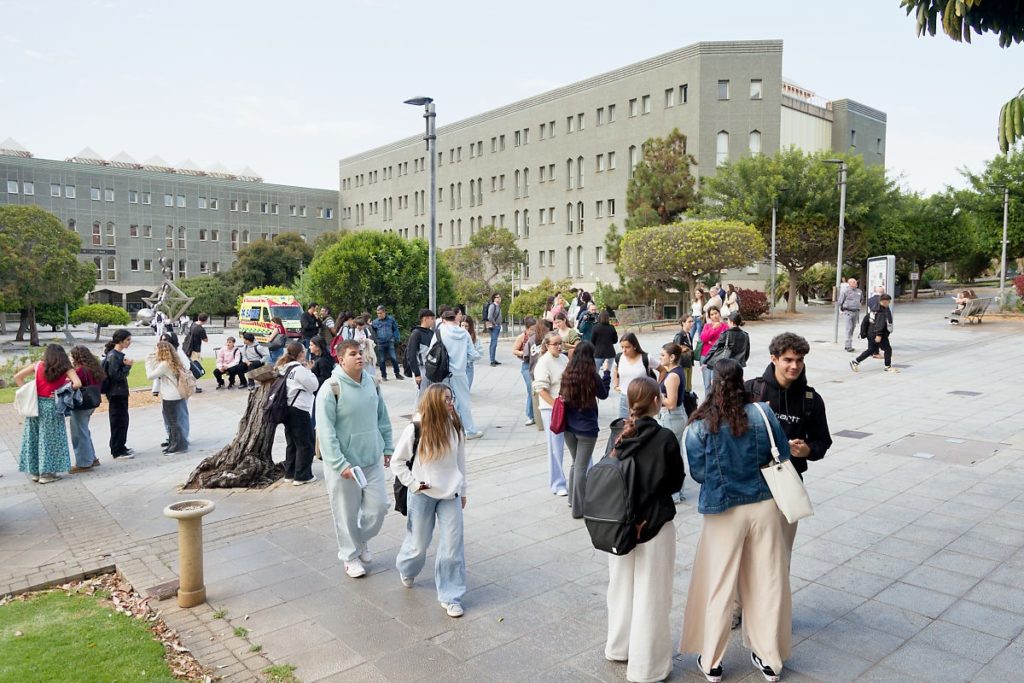
Tenerife is successfully tackling chronic traffic congestion on the TF-5 motorway through a partnership between the Island Council (Cabildo) and the University of La Laguna (ULL). By staggering class start times, the university has effectively encouraged students to move away from using private cars to reach the Guajara Campus.
Since the program began a year ago, it has removed an average of 500 cars from the northern motorway each day. Data from the TITSA bus fleet shows that this has improved travel times, with commutes 10% faster at 8:00 a.m. and up to 18% faster at 9:00 a.m.
The program is now expanding. As of this September, more than 2,000 students from the Faculty of Economics, Business, and Tourism have joined the initiative, bringing the total number of participating students to 4,700 across 17 degree programs. Island Council President Rosa Dávila expects this expansion to remove up to 800 vehicles from the road during peak hours—an increase of 300 cars compared to last year. The change involves shifting class start times from 8:00 a.m. to 9:00 a.m. for these specific degrees, a move established under a November 2023 agreement to improve university mobility.
The broader plan also focuses on strengthening public transport. Four new direct shuttle lines to the campus have served over 46,000 passengers in their first year. Mobility Councilor Eulalia García noted that this success is supported by a significant increase in service, including 351 new buses and 234,000 additional trips compared to 2023.
Currently, 71% of the university community now uses public transport, a shift supported by the Island Council’s free-fare policy. This initiative serves as a model for urban sustainability, proving that strategic planning and listening to user needs can effectively reduce reliance on private vehicles.