
Tenerife Unblocks Granadilla Land for Green Hydrogen Infrastructure
The Tenerife Island Council has unblocked zoning for a 275,000-square-meter site in the Granadilla Industrial Estate to facilitate the development of green hydrogen and renewable energy infrastructure.
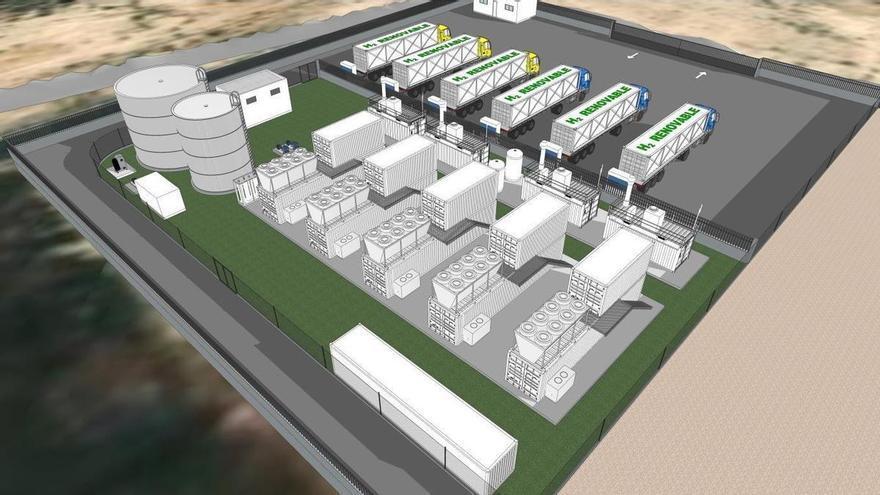
Tenerife has taken a major step toward a greener energy future. The Tenerife Island Council (Cabildo) has officially unblocked the zoning for a large area within the Granadilla Industrial Estate, clearing the way for infrastructure that will eventually integrate green hydrogen into the island’s energy supply.
The project, which will be voted on during the plenary session on the 31st, is a joint effort between the Cabildo and the Granadilla de Abona City Council, with technical support from the General Directorate of Coasts. The plan covers a 275,014-square-meter plot owned by the company Disa. While this move does not grant immediate approval for specific plants, it officially designates the land for the production, storage, and distribution of renewable energy and transition fuels. The development will span roughly 277,000 square meters, including upgrades to roads, utility networks, and public spaces.
This initiative is vital for the Canary Islands, where renewable energy currently meets only 19.3% of electricity demand—mostly through wind power. To reach the regional government’s goal of 58% renewable energy by 2030, the island must triple its current capacity. Lope Afonso, the island’s vice president, emphasized that coordinated planning is essential to balance a secure energy supply with the shift toward decarbonization.
However, the project faces technical hurdles. The Tenerife Environmental Assessment Commission has mandated strict environmental protections, citing flood risks in nearby ravines and the need to safeguard local wildlife, including the Pimelia canariensis beetle.
This development in Granadilla joins other ongoing efforts, such as the Güímar hydroelectric plant, the electrical link to La Gomera, and investments in geothermal energy. Meanwhile, the Cabildo is urging the central government to classify new storage facilities as "strategic," which would allow them to be integrated into official fuel reserves. By pursuing these projects, Tenerife is working to maintain current energy stability while building the infrastructure needed for future technologies like green hydrogen. Final approval for these facilities will depend on further environmental and administrative reviews by the Canary Islands Government.