
Tenerife Tram Network Faces Service Disruptions Amid Fleet Shortages and Union Tensions
Tenerife’s tram network faces potential overcrowding and service disruptions as unions and management clash over a reduced fleet ahead of the busy September commute.
Commuters in Tenerife’s metropolitan area face uncertainty as the September school and work routine begins. The island’s tram system is heading into this busy period with a reduced fleet, sparking concerns from worker representatives about potential overcrowding and service failures.
Tensions are high between Metrotenerife management and the works council. While the company reports that eight trams are out of service—due to accidents, technical issues, and scheduled maintenance—the unions claim the actual number is nine. This disagreement over the available fleet is particularly worrying given that the tram system saw a record 25 million passengers in 2025. Staff argue that the current technical issues threaten the reliability of the entire network.
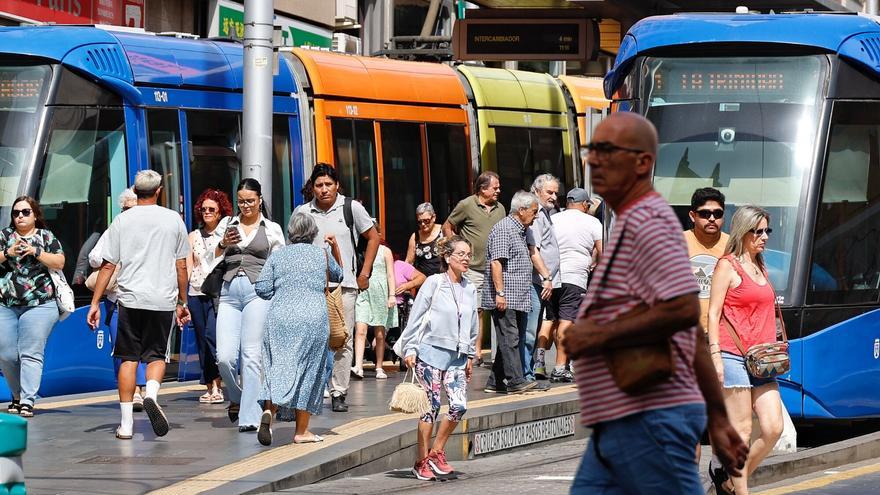
The impact on service is already visible. Staff shortages in traffic regulation led to the cancellation of night services on August 16, and fewer trams on Line 1 have forced longer wait times, causing platforms to become dangerously crowded.
In response, Metrotenerife has launched a reinforcement plan, which includes hiring ten new drivers, four maintenance technicians, and increasing the number of traffic regulators. However, the works council believes these measures are not enough. They have formally asked the Cabildo de Tenerife, the company’s owner, to intervene and address what they describe as poor strategic planning.
This conflict highlights the strain that rising demand is placing on public transport in the Canary Islands. How Metrotenerife manages its operations during the first week of September will be critical, not only to prevent service disruptions but to ensure the long-term success of the island’s primary transport network.