
Tenerife Tourism Remains Stable Amid Middle East Tensions and Economic Policy Debates
Tenerife’s tourism sector remains stable with secure fuel supplies, even as local officials urge the Spanish government to better align national economic policies with the Canary Islands' unique tax system.
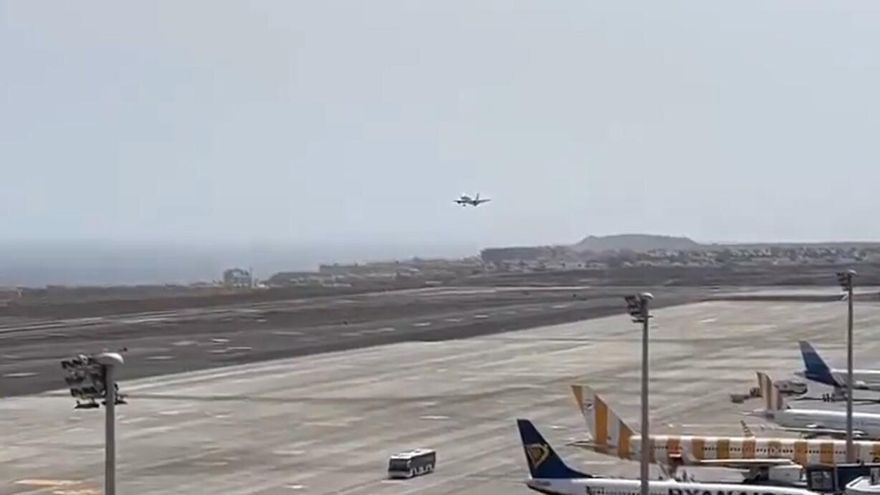
Tenerife’s tourism sector remains stable despite rising tensions in the Middle East. Lope Afonso, the island’s Vice President and Minister of Tourism, has reassured the public that there is no immediate risk of aviation fuel shortages. He explained that strategic reserves held by Spain and its European partners are enough to keep flights running smoothly throughout the summer.
The Tenerife Island Council (Cabildo) is optimistic about the near future, noting that airlines are sticking to their schedules and even planning to increase seat capacity. However, officials remain cautious; they warn that if the conflict continues, it could eventually disrupt the market. For now, Tenerife is relying on its reputation as a "safe haven" to attract travelers who may be avoiding other, more volatile regions.
On the economic front, the President of the Cabildo, Rosa Dávila, has backed the regional government’s anti-crisis measures. However, she criticized the central government for failing to account for the Canary Islands' unique tax system. Dávila argued that state-level VAT cuts are ineffective for the islands, where the local IGIC tax is the primary economic driver.
This concern over financial stability was echoed by representatives in the Canary Islands Parliament. While there is broad political support for the regional decree, there are technical concerns about how tax cuts might impact local revenue. José Miguel Ruano, the Second Vice President, has called for better communication with the regional government to track the financial impact of these policies. He also emphasized that relaxing spending rules is essential if the island councils are to manage the current crisis effectively.