
Tenerife Tourism Faces Scrutiny Following Environmental 'Black Flag' Report
Tenerife’s tourism industry faces mounting pressure after a report citing the "Black Flags" environmental study highlighted concerns over coastal management and pollution at several popular Canary Islands beaches.
Tenerife’s tourism industry is facing fresh scrutiny after a report in the British tabloid The Sun raised concerns about the environmental quality of several coastal areas. Because the UK is the primary source of visitors to the Canary Islands, this warning carries significant weight for the region.
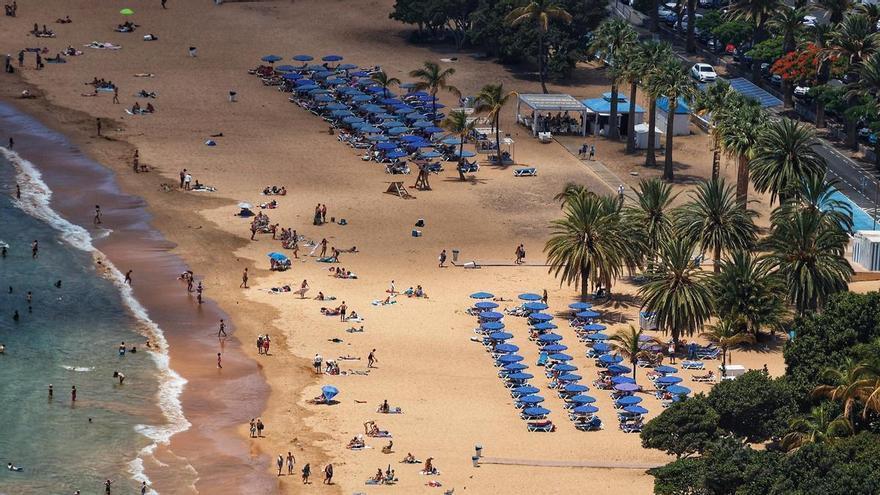
The newspaper’s claims are based on the annual "Black Flags" report by the organization Ecologistas en Acción. This year, the report identified 48 critical environmental sites along the Spanish coast, 14 of which are beaches. The Sun highlighted two specific locations in the Canary Islands: Las Teresitas beach—which was featured in the article’s imagery—and El Puertito de Adeje. Both sites were flagged by the environmental group due to concerns over how they are being managed.
Reports like these can have a real impact on how vacationers view a destination. The mention of Las Teresitas is particularly notable, as it is a staple in international travel brochures. The Sun also extended its warnings to other parts of the archipelago, citing the coast of Telde and parts of Lanzarote, where it linked environmental issues to the impact of the cruise ship industry.
The "Black Flags" report serves as a gauge for the environmental health of Spain’s coastline. These flags are awarded based on a variety of issues, including sewage pollution, over-development, and poor public service management. As sustainability becomes increasingly vital to tourism, the coverage of these findings in major international media puts pressure on local authorities to improve their conservation and infrastructure policies. Failure to address these concerns risks damaging the reputation of Spanish destinations among international travelers.