
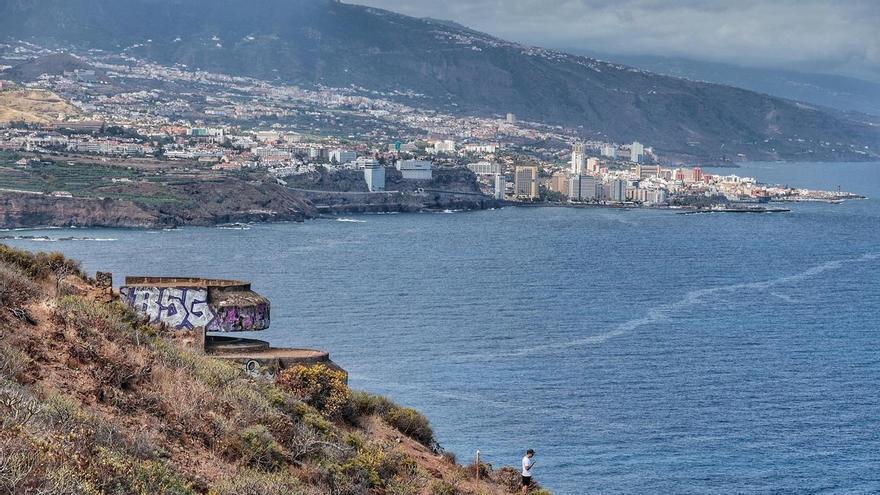
Tenerife to Restore Historic La Quinta Battery with €118,000 Funding
The regional government of the Canary Islands has allocated 118,000 euros to restore Tenerife's historic La Quinta battery and transform the former World War II military site into an educational interpretation center.
Efforts to preserve the Canary Islands' military history have received a boost with new public funding for the restoration of the La Quinta battery in Santa Úrsula, Tenerife. Local reports indicate that the regional government has allocated 118,000 euros to repair the site, which has suffered from decades of neglect and remains largely unknown to the public.
The project aims to turn the former military site into an interpretation center. Built in 1941, the battery was part of a defensive network created during the uncertainty of the Second World War. At the time, the islands were heavily militarized due to fears that Allied forces—specifically the British—might attempt to land on the Tenerife coast.
The facility was equipped with four 150-millimeter Ordóñez artillery pieces, which were already considered outdated when they were installed. More than 70 personnel operated the site, which also holds archaeological significance: the commanding officer, José García Borges, famously encouraged research into nearby aboriginal sites, such as the Los Lirios cave, during his tenure.
After the war ended in 1945, the battery lost its strategic importance and was officially decommissioned in 1957. Over the following decades, the area changed significantly, shifting from a military zone to land used for banana farming and, eventually, urban development.
Working alongside the Santa Úrsula City Council, this new initiative seeks to address years of institutional neglect. The goal is to transform the bunker from a simple scenic viewpoint into an educational site that tells the story of the island's past. By investing in the property, officials hope to add it to the island's official list of cultural assets, ensuring that visitors understand the site not just for its views, but as a tangible piece of the defensive strategy that shaped life in the Canary Islands during the mid-20th century.