
Tenerife to Overhaul Camper Van Regulations Amid Infrastructure Shortage
The Tenerife government is drafting new regulations to address a critical shortage of infrastructure for motorhome travelers by establishing clear standards for campsites and waste-disposal facilities across the island.
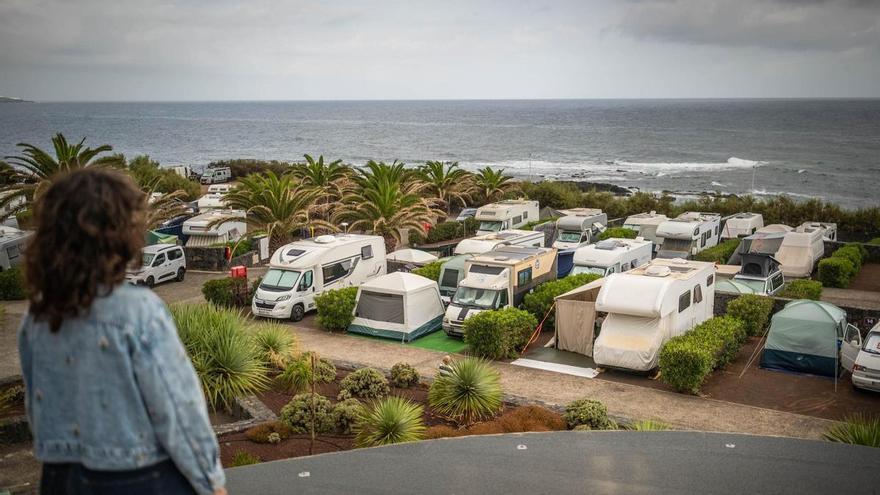
Tenerife faces a clear contradiction: while the island welcomes 7.5 million tourists annually, it lacks the infrastructure to support those traveling in motorhomes and camper vans. To address this, the local government is preparing a new decree to bring legal clarity to a sector that has long operated without clear regulations.
Currently, there are only two official sites for these travelers: the private Nauta complex in Arona and a public facility in Punta del Hidalgo. This shortage has forced many to stay in forest areas like Chío, Las Lajas, Arenas Negras, and El Lagar. While these sites allow overnight stays with a permit, they lack essential services such as electricity, waste disposal, and restrooms.
The regional government’s new regulations aim to distinguish between different types of outdoor accommodation. These rules will set minimum standards for safety, accessibility, and sanitation, providing local councils with a framework to plan future developments. Authorities believe that the current lack of clear laws has been the primary barrier to investment and the creation of a well-organized network.
In response, the Tenerife Island Council (Cabildo) is already planning to expand capacity. Proposed projects include opening a campsite at La Tejita in Granadilla de Abona and potentially converting the former Pinalito factory in Vilaflor into a major visitor center. Officials are also considering creating waste-disposal points and authorizing new parking areas in municipalities such as Arico, Guía de Isora, and Los Rodeos.
This shift toward a regulated model is driven by both market demand and the need for sustainability. Officials emphasize that any new infrastructure must balance economic growth with environmental protection to prevent vehicles from spreading uncontrollably into protected areas. Once the new decree is approved, local authorities plan to move forward with land planning and funding to finally integrate this popular form of travel into the island’s official tourism sector.