
Tenerife to Launch €60 Million TF-5 Expansion to Ease Northern Traffic Congestion
The regional government is set to finalize a 60-million-euro contract to expand the TF-5 highway in Tenerife, aiming to alleviate chronic congestion between Guamasa and Los Rodeos airport through a comprehensive three-year infrastructure redesign.
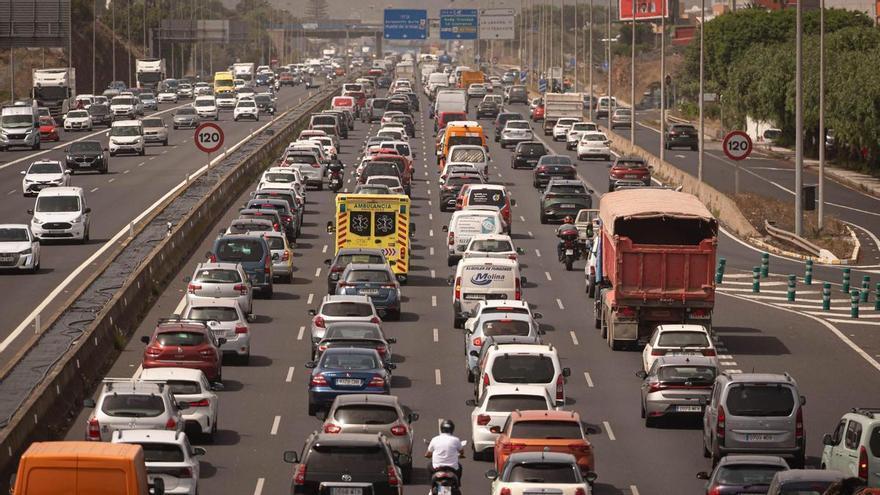
The regional government is set to finalize a contract to expand the TF-5, marking a major step forward for traffic in northern Tenerife. Work is expected to begin within a month of the signing, aiming to relieve the chronic congestion between Guamasa and the Los Rodeos airport area, which handles 110,000 trips every day.
The project, provisionally awarded for nearly 60 million euros, covers a four-kilometer stretch. Over the next three years, crews will do more than just add a third lane; they will completely redesign the San Lázaro, Guamasa, and airport interchanges. A key improvement will be a new direct access road to the airport for traffic coming from the north. This will separate vehicle flows that currently crowd the San Lázaro junction, helping to clear the bottleneck that frequently slows down traffic heading toward the city.
Technically, the project requires 8,000 square meters of land, which the regional government is coordinating with Aena through a specific agreement, with 600,000 euros set aside for land acquisition. Public Works Minister Pablo Rodríguez acknowledged that the project is a logistical challenge, as the road must remain open throughout construction. He also noted that while this work is necessary, it will not be enough on its own to solve the island’s wider traffic problems.
This move addresses a long-standing issue for drivers in the north. However, the Canary Islands government views this as just the beginning of a larger strategy that will eventually include similar improvements for the TF-1, the southern highway. While these infrastructure upgrades are essential for easing pressure on the metropolitan area, they are part of a broader debate about Tenerife’s transport model, which remains heavily reliant on private cars. After years of studies and delays, these works represent the first real effort to fix one of the most congested spots on the island’s road network.