
Tenerife to Introduce Canary Islands' First Double-Decker Buses
Tenerife is set to introduce the Canary Islands' first double-decker buses before summer, aiming to significantly boost public transport capacity by 44% and encourage sustainable travel.
Tenerife's public transport is about to get a major upgrade. The island council has announced that the Canary Islands will soon see their first double-decker buses, with the first ones starting service before summer. This move aims to boost the capacity of the bus company TITSA and provide a stronger option for getting around, encouraging people to use public transport instead of private cars.
Initially, thirteen of these new buses will operate on three main long-distance routes: the TF-5 in the north and the TF-1 in the south. These routes saw a significant rise in passengers in 2025. It's expected that the double-deckers will add two million seats each year, boosting the capacity on these lines from four million to six million passengers – a 44% increase – all without adding more vehicles to the roads.
These double-decker buses, made by Ayats in Gerona, will carry 85 passengers each, up from the usual 59. They've been designed with much better accessibility: the lower deck has two roomy seats for passengers with limited mobility, and a special lighting system helps guide those with visual impairments. Comfort and safety are also key, with seat belts on every seat and USB charging points for phones and other devices.
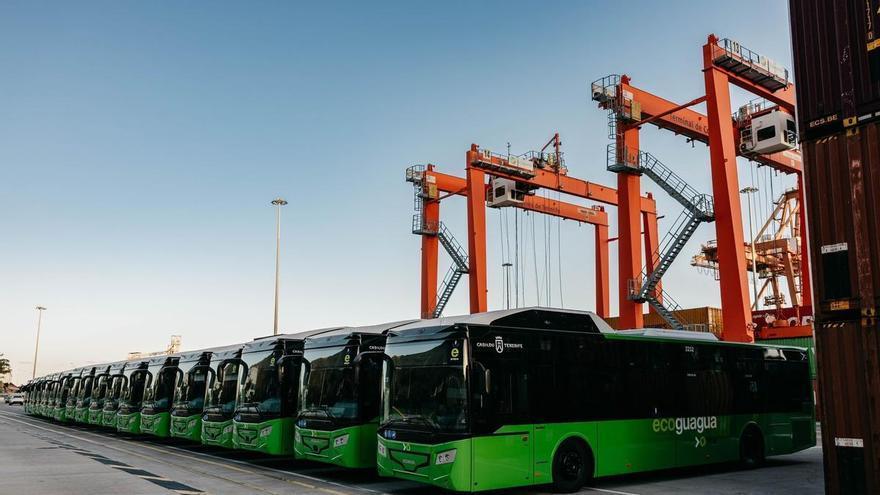
This purchase is part of a bigger plan by the Tenerife Island Council, which has spent over 125 million euros on 351 new vehicles in the past three years. Thanks to this investment, TITSA now has one of Spain's most modern bus fleets, with an average age of just over three years. The upgrades will continue in 2027 when another 34 intercity buses arrive, including five more double-deckers, bringing the island's total to eighteen.
The Island Council's investment in TITSA has jumped by an impressive 300% in the last three years, showing a real change in how the island approaches transport. By bringing in these double-decker buses and modernizing the entire fleet, the aim is to give people a strong alternative to driving, cut down on waiting and travel times, ease traffic on major roads, and help make Tenerife a more sustainable island with less environmental pollution.