
Tenerife Students Create SOS Network for Rural Elderly
Tenerife students are creating LoRaSOS, an IoT emergency network, to protect elderly rural residents in areas with poor phone signal by allowing them to send SOS alerts.
A new project in Tenerife is helping to protect elderly people in rural areas who have poor phone signal. Developed by IES La Guancha, an education centre, the initiative called LoRaSOS aims to improve safety for this vulnerable group. It also shows how vocational training can create real-world solutions that benefit society.
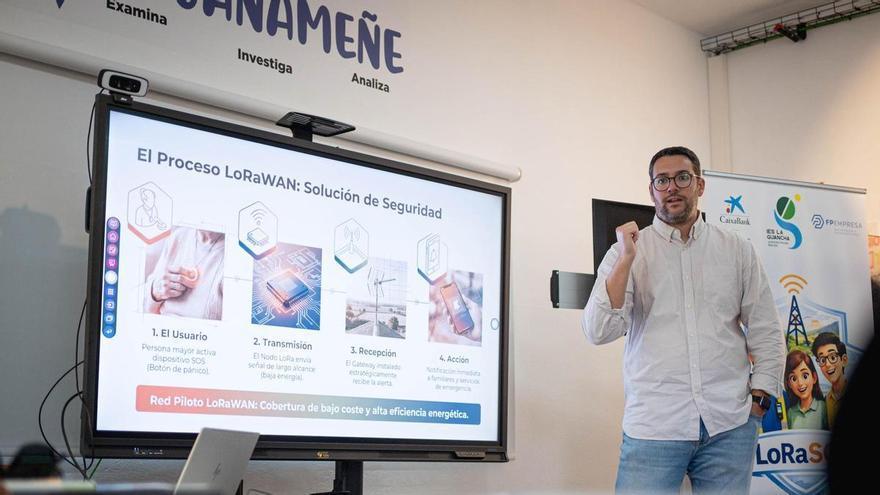
Twenty-four students from telecommunications courses are involved in designing and setting up an emergency communication network. This network is designed to keep older people safe, even in places where mobile phones don't work. The system, which is currently being set up, will allow SOS alerts to be sent to family members and emergency services if an elderly person needs help, for example, after a fall.
The plan is to start with 15 to 20 residents in the town of La Guancha. Each person will receive a small device with a button. If they press it in an emergency, it will send a signal to a repeater. From there, the information will go to a central unit, which will immediately alert family and assistance teams.
Javier Robaina, a teacher and coordinator for the project, explains that looking after the elderly is a major social issue in the Canary Islands, especially in northern Tenerife. This area often has patchy phone coverage and difficult access to rural spots. To overcome these challenges, students have built an "Internet of Things" (IoT) network. This network can work well in Tenerife's varied landscape, which includes towns and large areas of vineyards. On flat ground, this system can cover up to 15 kilometres. It will use repeaters placed strategically in the Viña Zapata vineyards to reach the most isolated areas.
IES La Guancha is using young talent to make this happen, teaching students how to use technology for a good cause. Students are not only learning technical skills like electronics, equipment assembly, and radio analysis, but they are also developing a better understanding of older generations by working with them. They are also becoming more entrepreneurial and innovative. The school believes projects like this could even inspire young people to start their own businesses one day.
The CaixaBank Foundation has recognised the importance of this project and the team behind it, choosing it for their Dualiza Grants. Rubén Gallo, the school's director, sees this award as a big opportunity. It proves that vocational training projects can go beyond the classroom and make a real difference in society.