
Tenerife STI Screening Network Expands Amid Tripled Patient Demand
Tenerife’s STI early detection network has tripled its patient volume since 2023, prompting health authorities to expand facilities and prioritize symptomatic cases to manage rising infection rates.
The early detection network for sexually transmitted infections (STIs) in Tenerife has grown rapidly over the past two years, becoming a vital part of the region's public health system. Data from the Screening Point project shows that patient numbers have tripled, rising from 3,746 in 2023 to 11,278 in 2025. This upward trend has continued into 2026, with over 6,000 consultations already recorded. The positivity rate remains steady at around 30%, a figure consistent with national averages.
To manage this rising demand, the Canary Islands Health Service (SCS) has expanded its facilities. The Los Gladiolos health center opened in May, joining existing locations in Añaza, La Cuesta, Garachico, Puerto de la Cruz, and San Isidro. Because these services—particularly in the metropolitan area—are becoming saturated, health authorities are now prioritizing patients who are showing symptoms to help break the chain of transmission.
Recent data from 2026 shows that chlamydia is the most common infection, with 473 confirmed cases, followed by gonorrhea (178 cases) and syphilis. There have also been 22 new HIV diagnoses. Because infections like chlamydia often show no symptoms, they pose a significant health risk; if left untreated, they can lead to serious, long-term complications. Most patients using these services are between 18 and 38 years old, while those under 18 account for only 2% of the total.
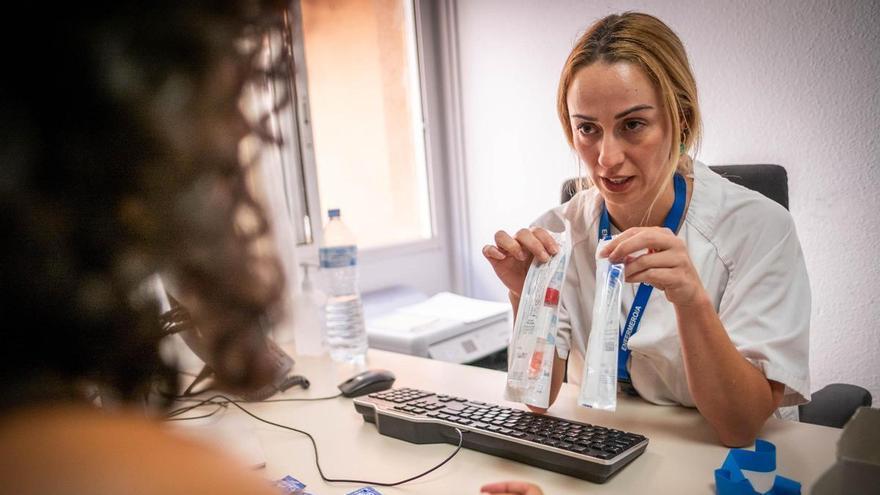
The success of this program relies on close cooperation between primary care providers and the microbiology departments at the University Hospital of the Canary Islands and La Candelaria. This partnership ensures that samples are tracked accurately and that doctors can respond quickly to antibiotic resistance. The service is confidential and includes a clinical interview, testing, and follow-up care to ensure patients complete their treatment.
Beyond medical care, these screening points play a key role in education. By encouraging open conversations about sexual health, professionals can debunk myths and promote prevention based on scientific evidence. Given the ongoing rise in infections, project leaders are calling for this model to be expanded to the other islands, emphasizing that early detection is the most effective way to control the spread of STIs.