
Tenerife Shifts Toward Community-Based Mental Health Care Model
Tenerife is transitioning from large-scale residential care to a community-based model that prioritizes personal autonomy and social integration for individuals with mental health conditions and disabilities.
Tenerife is becoming a key example of how to move away from large, traditional care institutions toward a more independent model of support. In line with European Union guidelines for mental health and disability care, the Tenerife Island Council (Cabildo) is working with local organizations to prioritize personal autonomy over large residential facilities.
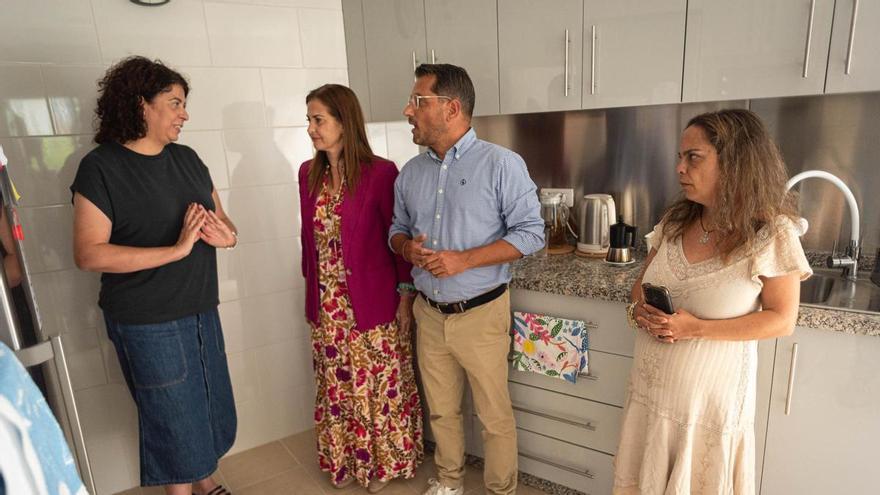
A prime example of this shift is "La Magnolia," a supervised home in Los Realejos. Managed by the association AFES Salud Mental, the facility provides a home for six women living with severe mental health conditions. By renovating a property that had been vacant for ten years, the project has expanded an island-wide network that now includes 12 homes and 65 spots. These settings allow residents to live within the community, giving them better access to public services and more control over their daily lives.
This approach marks a significant change in scale. Traditional care models often group more than twenty people together, but these new homes limit capacity to small groups, allowing for more personalized support.
Despite this progress, demand still exceeds supply. While a partnership between the regional government, the Island Council, and social organizations has increased total capacity to 1,095 places—up from 990 last year—waiting lists remain long. In the past year alone, 15 new spots were added, but this is not enough to meet the needs of the 32,000 people across the country currently living in institutions due to a lack of community-based alternatives.
During a recent visit to the project, Island Councilor for Social Action Águeda Fumero and local officials highlighted the importance of location. These homes are placed near urban centers and public transport to ensure they serve as a stepping stone toward full independence rather than a final destination. This philosophy, also shared by organizations like Probosco in La Orotava, aims to help residents actively engage with their community, breaking the cycle of isolation often associated with long-term care centers.