
Tenerife Shifts to Tropical Fruit Farming to Revitalize Agricultural Sector
Tenerife is transforming its agricultural sector by shifting from traditional monocultures to tropical fruit farming to meet rising European demand and revitalize the island's economy.
Tenerife’s agricultural sector is undergoing a major transformation. Moving away from traditional monocultures, the island is shifting toward tropical fruit farming to meet growing European demand for exotic produce.
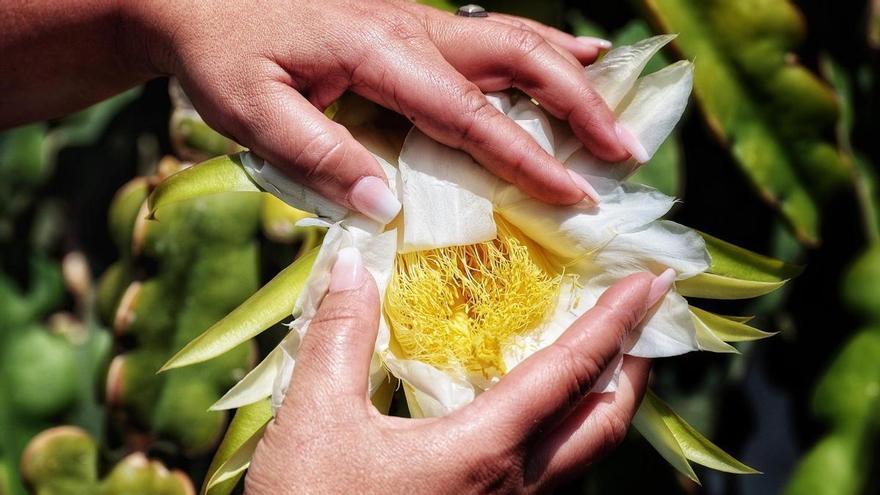
This change is a practical response to the profitability crisis that hit the export tomato industry. As tomato farming has declined, farmers have repurposed that land for avocados, papayas, mangoes, and pineapples. The numbers tell the story: over the last two decades, land dedicated to these tropical crops has jumped from 400 hectares to 1,400. Newer additions, such as dragon fruit and passion fruit, are also gaining traction.
The contrast with traditional crops is stark. While staples like bananas, grapes, and potatoes have seen their acreage shrink, tropical fruits have tripled their presence. Avocados have been the biggest success, growing from 225 hectares to over 1,000. Meanwhile, grape cultivation has dropped by 70% since 2007, and banana production has fallen to its lowest level in twenty years.
This shift is supported by the island's existing logistics infrastructure and its ideal climate, which allows tropical varieties to thrive. Additionally, strict phytosanitary regulations dating back to 1987 protect local farmers by limiting outside imports, keeping local produce competitive.
To manage this transition, farmers have formed a new group called Tropicán. Representing over 1,100 producers, the organization manages nearly 19,200 tons of fruit annually—mostly papayas—and aims to work with the government and research institutes to improve farming techniques.
Although only 40% of Tenerife’s available farmland is currently in use, this move toward exotic crops is helping to reduce land abandonment. According to the Association of Farmers and Ranchers (Asaga), the next step is for the sector to specialize in exclusive varieties. By doing so, Tenerife hopes to stand out in international markets, capitalizing on a healthy, long-term consumer trend that has become a staple in major European supermarkets.