
Tenerife Sees Steady Holy Week Tourism Despite Weather and Jellyfish Disruptions
Tenerife concluded a steady Holy Week with 80% hotel occupancy and high airport traffic, as unpredictable weather and jellyfish sightings shifted visitor activity from beaches to local dining and sightseeing.
Tenerife saw a smooth end to the Holy Week holidays. While tourist numbers remained steady, the island avoided the usual overcrowding, thanks to a mix of unpredictable weather and the presence of jellyfish along the coast, which changed how both locals and visitors spent their time.
The hotel association, Ashotel, reported occupancy rates of nearly 80% in the province of Santa Cruz de Tenerife—matching last year’s figures. However, the industry noted a rise in last-minute bookings. This, combined with the unsettled weather from storm Therese, made it harder for businesses to plan. Restaurant owners near Las Teresitas reported that business has been slower than expected, with activity remaining flat since the end of last year.
Airports were busy as holidaymakers headed home. Between Friday, March 27, and Easter Monday, airports across the Canary Islands handled 15,019 flights. Sunday was particularly hectic, with 1,470 flights recorded; Gran Canaria saw the most traffic, followed by Tenerife North and Tenerife South. Despite the high volume of travelers, traffic on the roads and in parking areas was managed better than in previous years, thanks to more people using public transport and visitors spreading out across the island.
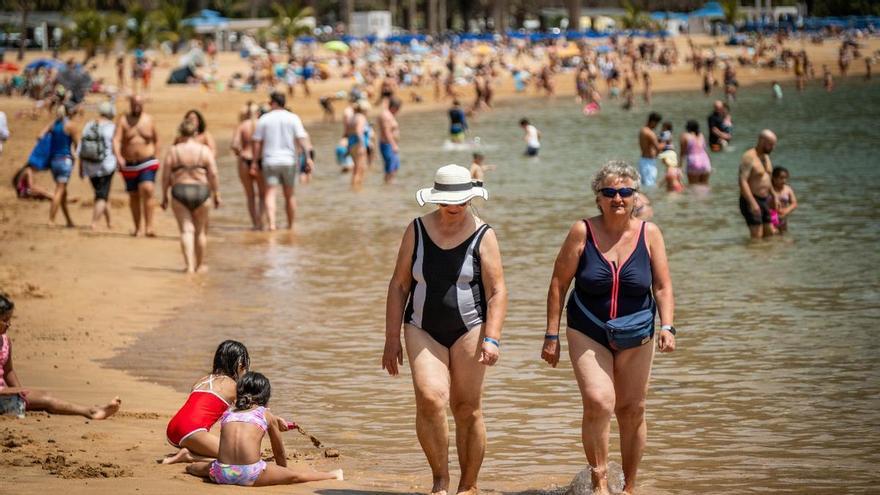
Beachgoers faced some challenges due to the sea conditions. The appearance of Portuguese man o' wars led to swimming restrictions at several popular spots, including Valleseco, Las Gaviotas, Playa Chica, and Las Teresitas, where flags warned visitors to stay out of the water for three days. Even with these limitations, people still flocked to the coast. Instead of swimming, many visitors turned to local dining and sightseeing, creating a balanced mix of residents and tourists enjoying the island despite the uncertain weather and marine life.