
Tenerife Sees Rise in Physical Activity Despite Persistent Health and Gender Gaps
A new Island Council report reveals that while 71.6% of Tenerife residents are now physically active, persistent gender gaps and insufficient exercise intensity remain significant barriers to meeting international health standards.
Tenerife’s sports scene has changed significantly over the past five years, moving toward a more professional approach and a greater focus on healthy living. According to a new report from the Island Council, 71.6% of residents are now physically active. This is a 4.4% increase since 2019 and puts the island nearly nine points ahead of the national average.
While more people are exercising—with 35.3% of the population working out two to three times a week—the island still struggles to meet World Health Organization (WHO) guidelines. Only 45.8% of residents hit the recommended 150 minutes of activity per week. Although this is a slight improvement, it shows that while more people are exercising, they aren't yet doing so with the intensity or frequency required for optimal health.
The report also highlights persistent social and structural barriers. A clear gender gap remains: 50.4% of men play sports compared to 40.9% of women. This disparity is even wider in competitive sports, where men (22%) are more than three times as likely to be registered with a federation than women (6.2%). Age is also a major factor, with activity levels dropping sharply as people get older.
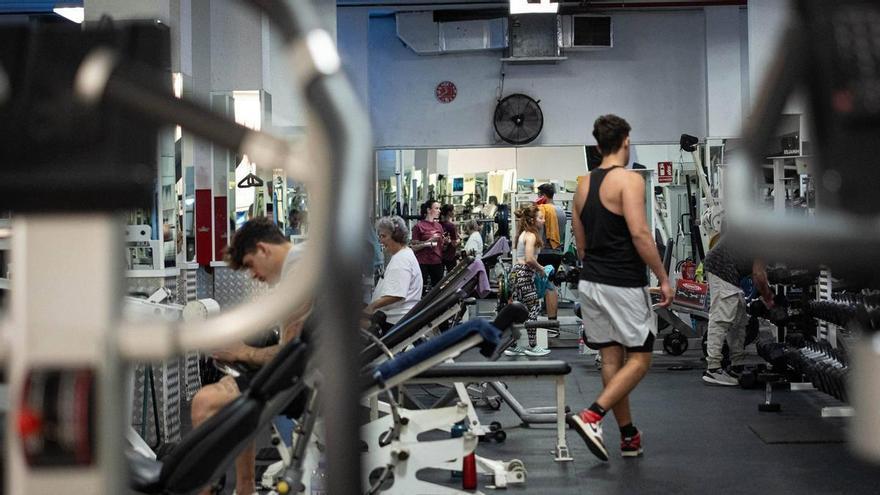
Preferences have shifted toward indoor exercise. Use of private facilities has grown by 26%, while interest in outdoor and urban spaces has dropped by over 20%. Technology is also playing a bigger role, with 58.5% of athletes now using smartwatches or mobile apps to track their progress—a 31.9% increase since 2019. On average, residents spend about 755 euros a year on sports, mostly motivated by health and leisure.
While obesity rates have remained stable at 15% and overweight rates have dropped by ten points since 2019, many residents still cite a lack of time and motivation as the biggest hurdles to staying active. The Island Council plans to use these findings to shape future policies, aiming to close the gender and age gaps and help residents reach the activity levels needed to meet international health standards.