
Tenerife Seed Bank Safeguards Island’s Genetic Heritage and Food Security
The Tenerife Agricultural Biodiversity Conservation Center is safeguarding the island's food security and genetic heritage by preserving thousands of native plant varieties through advanced cryogenic storage and collaborative research.
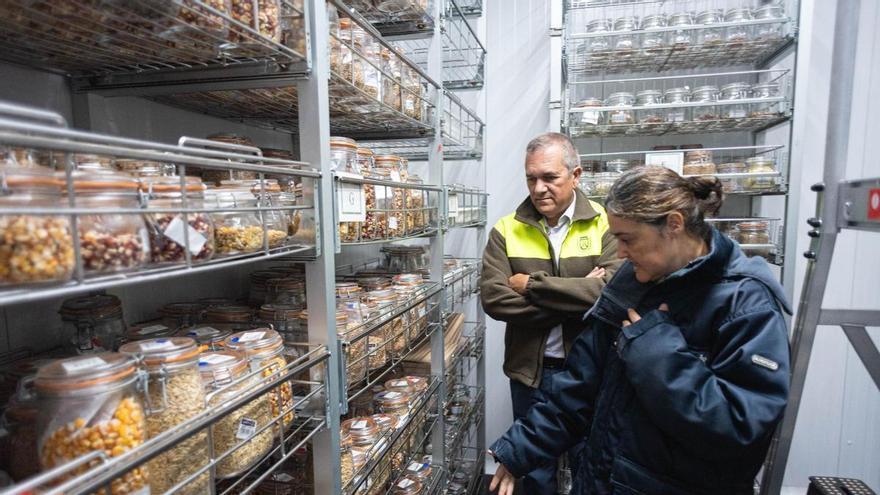
The Tenerife Agricultural Biodiversity Conservation Center (CCBAT) has gained recognition for its vital role in protecting the island’s food security and genetic heritage. Located at the Puerto de la Cruz Botanical Garden, the center serves as a high-tech biological archive designed to safeguard native plant varieties against global crises.
The CCBAT manages over 3,500 samples, including cereals, legumes, tubers, and fruit trees. Following international FAO protocols, the center uses climate-controlled, cryogenic storage to ensure these seeds remain viable for the long term. Its importance extends well beyond Tenerife; parts of the collection are stored in the Svalbard Global Seed Vault in Norway, as well as at major research centers in Madrid and Colorado.
Led by experts like Domingo Ríos, the team focuses on the evolutionary history of these crops. Research shows that current cereals share over 99% of their genetic makeup with those found at ancient Guanche archaeological sites, proving a long history of agriculture in the archipelago. Furthermore, nutritional studies indicate that these traditional varieties are often higher in quality than those produced through intensive commercial farming, making them essential for sustainable agriculture.
The center’s work is supported by four experimental farms—Las Haciendas, La Mosca, Boquín, and Las Llanadas—where living plants are maintained. The team also works closely with local farmers, such as Tomás González, to rescue endangered varieties. Beyond acting as a seed bank, the CCBAT functions as a research hub, developing solutions to combat pests and the impacts of climate change.
Supported by an annual investment of 666,000 euros from the Cabildo of Tenerife, the center continues to actively recover lost crops. Whether identifying rare local varieties like the "burriango" from Vilaflor or uncovering ancient seeds during building renovations, the CCBAT ensures that the island’s genetic map remains a living, evolving resource. Ultimately, the center turns agricultural history into a scientific foundation, helping to meet the nutritional and environmental needs of future generations.