
Tenerife Security Chief Apologizes After Content Creator Gains Unauthorized Access to Emergency Center
Tenerife’s security chief has apologized after allowing a content creator into the island’s emergency coordination center, sparking criticism over security lapses and unequal media access.
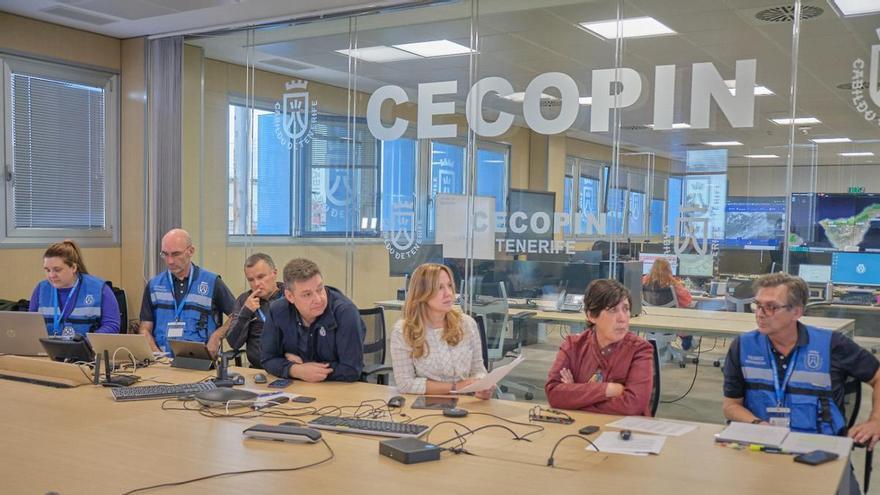
Emergency management in Tenerife is facing intense scrutiny after a security breach at the Island Operational Coordination Center (Cecopin). Reports reveal that the facility lacks a formal access protocol, a flaw brought to light when a digital content creator was allowed inside during the recent storm, Therese.
Iván Martín, the island’s director of Security and Emergencies, has taken full responsibility for authorizing the visit. He issued a public apology, calling it an error in judgment, though he insisted the goal was simply to improve the institution's reach during a quiet period. Martín stated that the visitor was supervised at all times and had no access to sensitive information.
The incident has exposed a vulnerability that the Cabildo has been trying to address for two years as it works toward official security certification. The gap between these security goals and the recent breach has drawn sharp criticism from the opposition. Both the Socialist Group and Nueva Canarias-Bloque Canarista have demanded explanations from island president Rosa Dávila regarding access rules and potential disruptions to technical staff. Meanwhile, Izquierda Unida Canaria has called for the resignation of regional minister Blanca Pérez.
The situation has also frustrated media professionals. Many are questioning why a content creator was granted prolonged access while accredited journalists are typically restricted to short, general footage. This disparity has sparked a wider debate about how emergency services should communicate during crises, with critics arguing that security and neutrality must come before social media strategies.
While the Cabildo claims this incident will speed up the implementation of new security protocols, the opposition plans to raise the issue at the next plenary session, demanding accountability for what they view as a serious lapse in professional standards.