
Tenerife Sect Dismantled Over Alleged Fraud and Coercive Control
Spanish authorities have dismantled a Tenerife-based sect accused of exploiting followers through fraudulent Santería rituals, coerced labor, and the sale of fake UNESCO-endorsed diplomas.
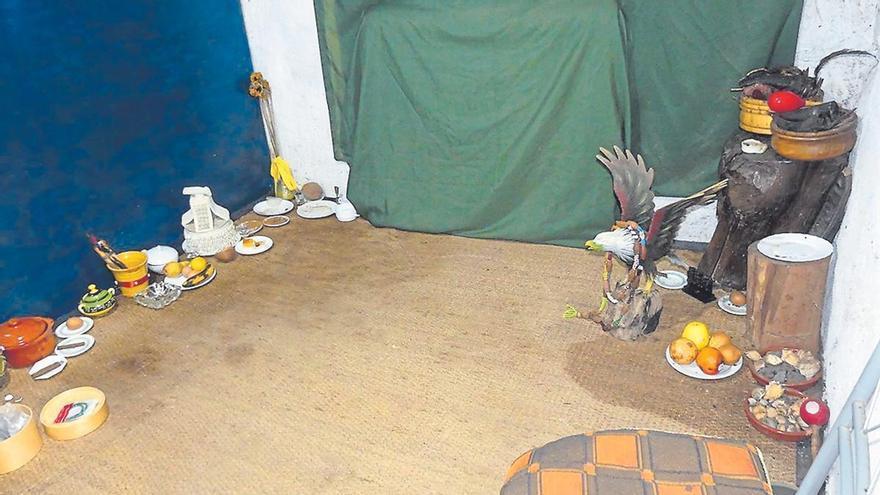
An alleged sect dismantled in Tenerife is under investigation for exercising absolute control over its followers' daily lives. The group’s rules were so extreme that one member was forced to quit their job as a lifeguard because they were forbidden from wearing red, which was part of their mandatory uniform. According to court documents, the organization used Santería rituals as a front for a complex criminal operation.
The investigation highlights the manipulative power of the group’s leader, José Alfredo C.C. Criminologist Félix Ríos, who represents the prosecution, says the leader controlled every aspect of his followers' lives. He allegedly pressured parents to pull their children out of school and discouraged them from seeking medical treatments, including vaccinations. Investigators are particularly concerned that the leader, who was recently released with charges, might try to recruit new members to pay for his legal defense.
Police arrested five people last December—four in La Esperanza, Tenerife, and one in Las Palmas de Gran Canaria. They face a range of charges, including fraud, animal abuse, bodily harm, document forgery, illicit association, and crimes against public health. While the suspect in Gran Canaria denies any involvement, police have found photographs of him in ritual clothing alongside the leader, confirming his connection to the group.
Authorities are currently analyzing seized electronic devices and conducting a thorough financial audit to track the group's money. Investigators are looking into bank accounts and digital payments, such as Bizum, where they found unusually large contributions. They are also reviewing handwritten records of donations taken from vulnerable people who were promised rituals in exchange for money.
A key part of the investigation involves fake diplomas that the group claimed were endorsed by UNESCO. Police confirmed that UNESCO does not issue certifications for Santería, proving that the group sold fraudulent documents to followers for large sums of money. The prosecution has emphasized that the investigation is not targeting Santería as a religion, but is focused solely on the group’s criminal activities and the fraudulent use of faith to exploit others.