
Tenerife’s Volcanic Coastline: A Guide to the Island’s Diverse Shores
Tenerife’s volcanic landscape offers a diverse array of coastal experiences, ranging from rugged, secluded natural sites to accessible, amenity-rich beaches.
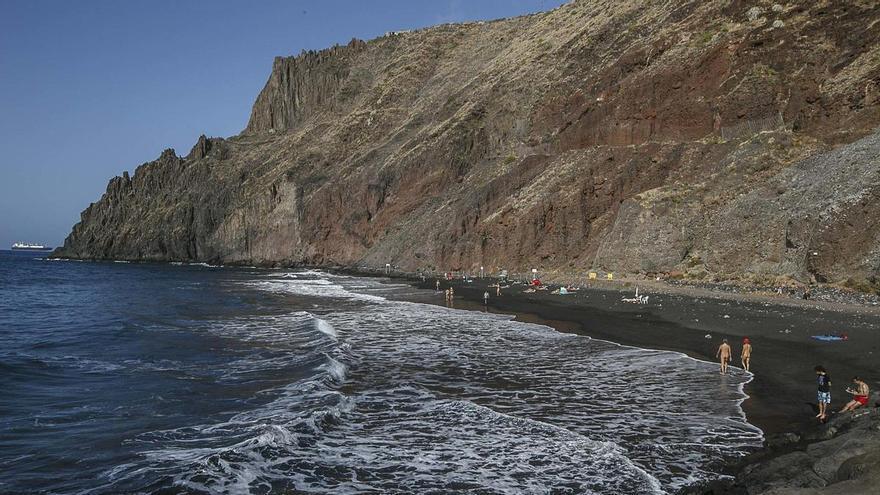
Tenerife’s dramatic volcanic history has created a coastline unlike any other. Instead of typical sandy beaches, the island’s shores are defined by unique rock formations and striking colors, all shaped by past eruptions.
These coastal areas generally fall into two categories: wild, protected natural spots and those developed for easier visitor access.
Among the wilder, more rugged locations, the Anaga massif is a standout. It is home to hidden gems like Tamadiste, reached via the Afur ravine, and the iconic Benijo beach—though visitors should note that access to Benijo is currently restricted due to the risk of falling rocks. The northern coast also boasts sites of great ecological beauty, such as the freshwater waterfall at Castro beach in Los Realejos and the crystal-clear waters of Los Morteros, a favorite spot for scuba divers.
In other areas, the island has successfully blended its volcanic landscape with modern amenities. La Jaquita in Granadilla de Abona, for example, offers Blue Flag facilities and accessibility for those with reduced mobility, while La Nea in El Rosario provides a landscaped retreat close to the capital. For sports enthusiasts, El Socorro in Los Realejos is a popular surfing hub, and Los Guíos beach serves as the perfect base for whale watching beneath the towering Los Gigantes cliffs.
This variety highlights the island's unique character. Whether it is the banana plantations surrounding El Bollullo or the secluded, nudist-friendly atmosphere of Las Gaviotas, Tenerife offers a diverse range of coastal experiences. Because the terrain is rugged and the Atlantic currents can be strong, visitors are encouraged to plan ahead to safely enjoy these natural wonders.