
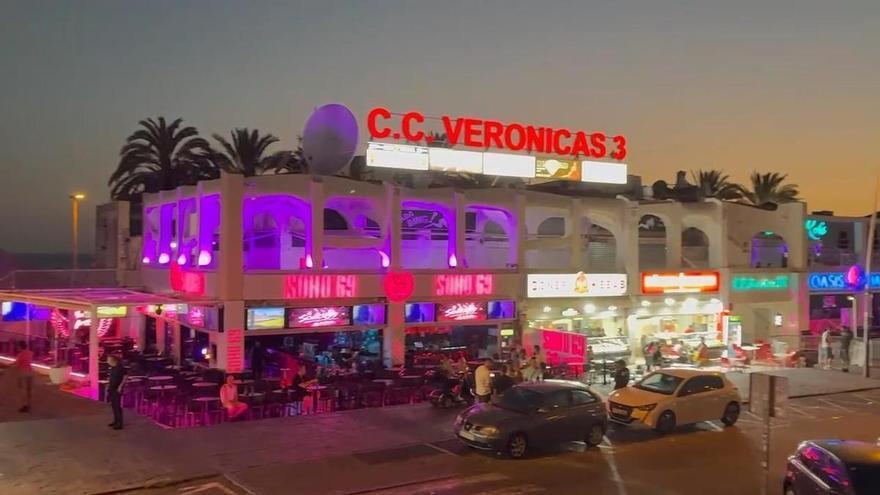
Tenerife’s Verónicas District Faces Growing Crisis Amid Rising Crime and Excess Tourism
The Verónicas nightlife district in Tenerife faces ongoing scrutiny as authorities struggle to curb persistent issues with substance abuse, illegal street trading, and criminal activity linked to the island's "excess tourism" model.
The Verónicas nightlife district, situated on the border of Arona and Adeje, is once again under scrutiny. Recent reports from El Día highlight a long-standing culture of insecurity and substance abuse in this popular Tenerife tourist hub. Experts suggest this is not a temporary issue, but a deep-rooted problem fueled by the island’s reputation as a destination for "excess tourism."
Criminal activity in the area has evolved, with the widespread use of nitrous oxide—commonly known as "laughing gas"—becoming a major concern. Because it is cheap and often wrongly perceived as harmless, it has become a staple of the local nightlife. Street vendors, who often engage in other illegal activities, sell the gas to tourists, creating serious health risks when mixed with heavy alcohol consumption, potentially leading to blackouts or even fatal incidents.
Meanwhile, the local drug trade has infiltrated some cannabis clubs. According to the National Police, some of these venues have strayed from their original purpose, operating instead as retail outlets. They often charge foreign tourists inflated prices, banking on the fact that visitors feel safer buying there than on the street. This, combined with the presence of pickpockets targeting intoxicated tourists, has created a volatile environment.
In an attempt to manage the situation, some shopping centers have hired private security. However, this has led to further friction; videos of guards clashing with street vendors have frequently gone viral, only heightening the public perception of danger.
Local business owners are also frustrated, claiming that high taxes and difficult administrative hurdles make it nearly impossible for law-abiding businesses to survive. As a result, the area around Avenida Rafael Puig remains a mix of mass-market bars, prostitution, and illegal street trading. Despite ongoing efforts by the police, this leisure model—which primarily attracts visitors from the UK—has remained largely unchanged since the 1980s, leaving local authorities struggling to regulate a persistent and complex challenge.