
Tenerife’s Traditional ‘Braided Cordon’ Vine Training Granted Cultural Heritage Status
The regional government of Tenerife has officially designated the traditional "cordón trenzado" vine training system in the La Orotava Valley as an Asset of Cultural Interest to preserve the 16th-century agricultural technique.
The regional government has officially granted "Asset of Cultural Interest" (BIC) status to the "cordón trenzado" (braided cordon) vine training system in Tenerife’s La Orotava Valley. This recognition honors a traditional agricultural technique dating back to the 16th century, protecting it as a vital piece of the region's heritage.
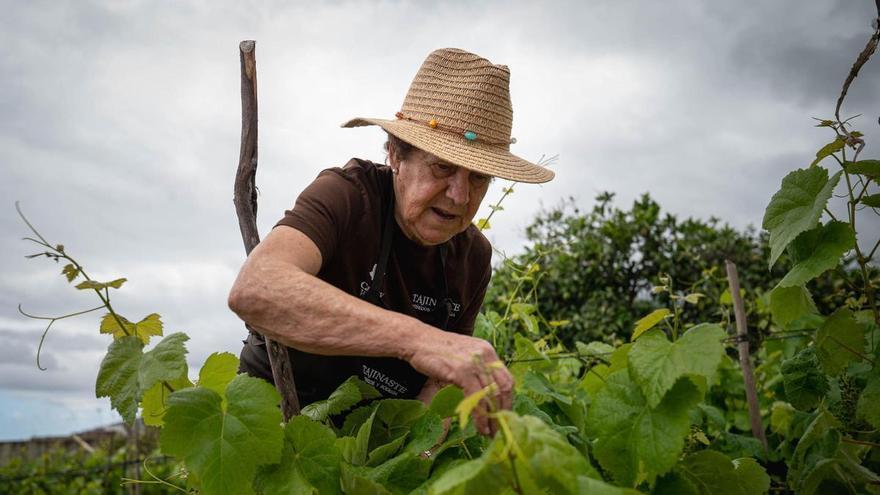
The process, which began earlier this year, highlights a unique cultivation method that defines the landscape of northern Tenerife. Unlike modern, mechanized farming, the braided cordon requires skilled manual labor. Farmers carefully intertwine vine shoots from different harvests onto supports, creating a structure that runs parallel to the ground. This specialized technique requires expertise passed down through generations.
This official protection is about more than just history; it is a practical step to support the local wine economy. The method is still used on over 70% of the region’s farms, proving it is a functional, living tradition rather than a relic of the past.
By designating the braided cordon as a protected cultural asset, authorities aim to preserve this labor-intensive practice against the pressure of more industrial, standardized farming methods. Ultimately, the goal is to ensure that the deep, five-century-old bond between local winegrowers and their land remains intact.