
Tenerife’s Primavera Offshore Wind Project Faces Local Backlash Over Coastal Impact
The proposed Primavera offshore wind project in Tenerife is facing local opposition over concerns regarding coastal management, environmental impact, and a perceived lack of public consultation.
The "Primavera" offshore wind project has sparked a fresh debate over coastal management in southeast Tenerife. Following the project's official announcement on February 27, the developer, Primavera Offshore Wind, SL, is facing pushback from the local political party Arico Somos Todos. The party is challenging both the project’s design and the lack of consultation with the affected municipalities.
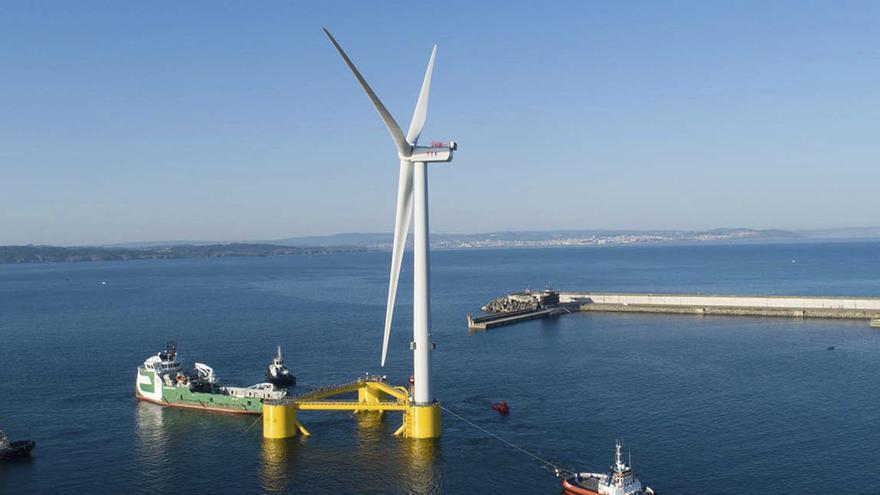
The 40-million-euro project aims to install an experimental "W2Power" unit in the waters off the port of Granadilla. The facility would occupy 1,500 square meters and feature two 5.5-megawatt turbines. According to the technical report, the 11-megawatt plant would provide enough electricity for roughly 19,000 homes, connecting to the island’s southern power grid via a submarine and land-based cable.
José Luis Hervella, spokesperson for Arico Somos Todos, argues that the administrative process has ignored local voices. Although the turbines would not be located directly off the Arico coast, the party warns that the project’s impact zone threatens the area’s marine ecosystems, artisanal fishing, and the local landscape, which they view as a key municipal asset.
This conflict reflects a broader challenge in Spain’s transition to green energy: balancing national decarbonization goals with the protection of local environments and traditional land use. Critics point out that the southeast of the island is already heavily burdened with energy infrastructure. They are calling on government authorities to consider alternatives, such as prioritizing rooftop solar panels, promoting self-consumption, or upgrading existing wind farms on industrial land rather than developing new coastal areas.
As the developer continues to seek the necessary permits, the controversy highlights the importance of meaningful public participation in renewable energy planning. The Arico City Council is now under pressure to take a formal position on a project that could significantly change the environmental and economic future of its coastline.