
Tenerife's Multi-Colored Foxes Highlight Wild Pet Dangers
Tenerife's Neotrópico Foundation features a unique enclosure for rescued European foxes, including those with black and white fur from fur industry breeding, to highlight the dangers of keeping wild animals as pets.
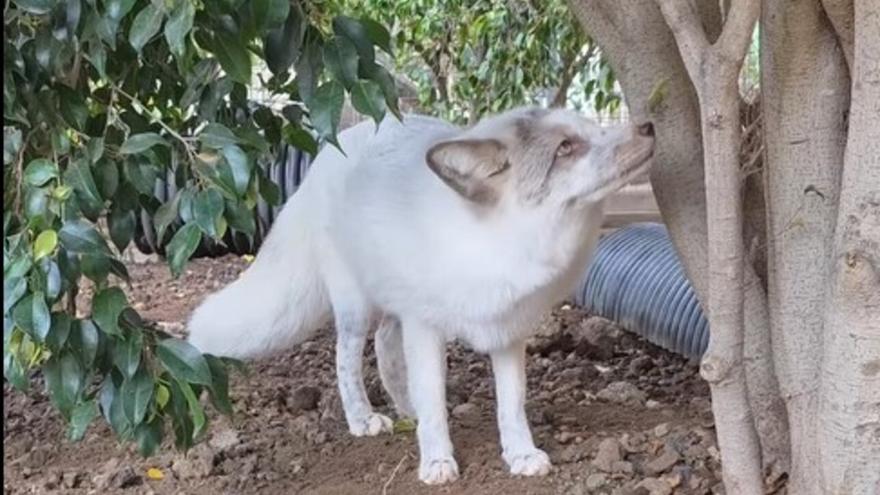
The European red fox enclosure at the Neotrópico Foundation in Tenerife has become one of the most unique spaces in the Canary Islands. Several foxes live there, but visitors might be surprised: not all of them are red. Some have intense black fur (known as melanistic) or white fur (leucistic). These colors are a result of genetic selection by the fur industry over decades, which bred them for the most popular fur colors each year.
These animals, now protected in a controlled environment, were confiscated after being kept as illegal pets – a practice more common than it seems. The foundation reminds us that while they may seem docile and manageable when young, they become aggressive, territorial, and potentially dangerous as they grow.
Their natural beauty, which for years made them victims of the fur trade, should not mislead anyone: they are not domestic animals. As Neotrópico's staff explains, foxes emit very strong and pungent odors, typical of wild species, making them entirely unsuitable for living in a home.
In this recovery space, the animals receive specialized veterinary care and enjoy spacious, natural enclosures where they can develop behaviors typical of their species. The Neotrópico Foundation, a leader in the rescue, custody, and conservation of exotic and wild animals, emphasizes the importance of not acquiring wild animals as pets and advocates for environmental education as a tool to prevent these situations.
“We remind everyone that not every species is suitable for living in a home,” the center stresses. In recent years, it has taken in numerous animals confiscated due to illegal possession in the Canary Islands.