
Tenerife's Llano del Moro Grapples With Triple Town Divide
A unique administrative division in Llano del Moro, Tenerife, where three towns meet due to a 1972 land transfer, creates daily complications for residents regarding public services and community access.
A unique administrative situation in Llano del Moro, Tenerife, is making daily life complicated for its residents. This area, known for its ancient dragon tree, is the only place on the island where three towns meet: San Cristóbal de La Laguna, El Rosario, and Santa Cruz de Tenerife.
This complicated situation started with an agreement in 1972. Back then, the town of El Rosario gave 14 square kilometers of land to Santa Cruz de Tenerife. This deal, signed near the famous dragon tree, meant that 11,000 out of 16,000 local residents suddenly fell under the administration of Tenerife's capital.
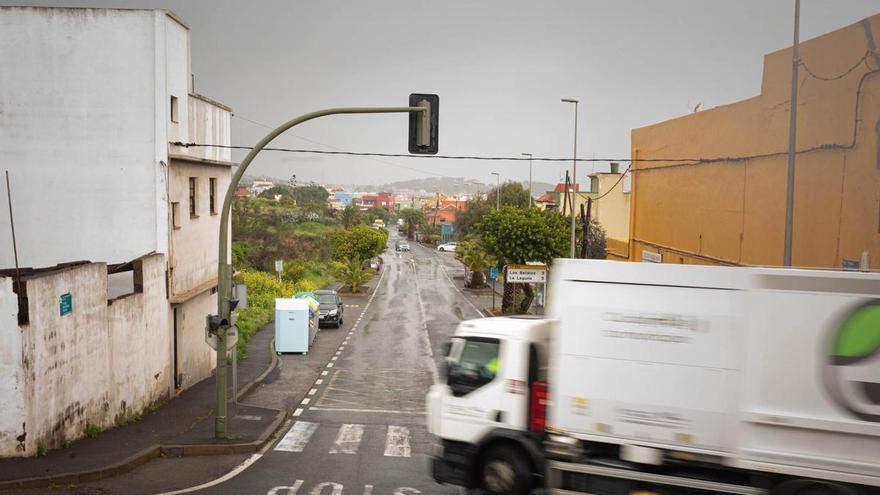
Fifty years later, the effects of this divided administration are still clear in people's daily lives. Managing public services, paying taxes, and handling official paperwork all become tricky, leading to strange situations. For instance, on San Francisco de Paula street, close to where the three towns meet, the sidewalks are split between El Rosario and Santa Cruz. This even shows up in small details like different trash bins or street sign designs on either side.
Locals like Ana Almenara, who has run a tobacconist's shop on a town border for 23 years, and Sergio Hernández, who lives in the Santa Cruz part, feel ignored by the Santa Cruz City Council. They believe that town resources don't reach their area as much as other places. Javier Rivero, the Councillor for Infrastructure and Heritage in Santa Cruz de Tenerife, has admitted there's a problem. He stressed that residents shouldn't have to wonder which town they belong to just to do basic things. Meanwhile, El Rosario's mayor, Escolástico Gil, highlighted the need for ongoing talks between the three councils to properly meet residents' needs.
However, cooperation between the councils faces legal restrictions that directly affect social life. Residents like Benito Rosa complain that even though they live in the same neighborhood, they can't use activities or services offered by the neighboring town. For example, El Rosario's play center stopped admitting children from Santa Cruz last year. Also, elderly people can't join trips organized by the other town. Rivero explained that town councils aren't legally allowed to fund activities or cover costs in other towns, which limits how much they can work together.
While Llano del Moro's triple division is unique, other parts of Tenerife also have town borders running through urban areas. For instance, in the Vistabella neighborhood, Sor María de Jesús street divides La Laguna and Santa Cruz. Similarly, Antequera y Bobadilla street in Barrio de la Salud and Alegranza road in Taco also split Santa Cruz and La Laguna.
Fifty years after the agreement that redrew its boundaries, the situation in Llano del Moro shows how administrative lines, even if you can't see them on the ground, still create big differences in residents' lives – from how their rubbish is collected to what community services they can use.