
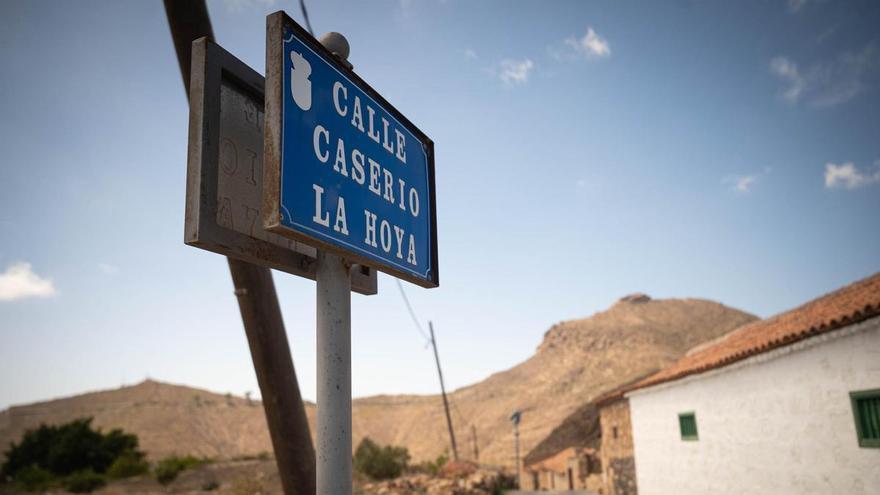
Tenerife’s La Hoya Struggles to Balance Rural Heritage with Modern Pressures
The hamlet of La Hoya in Tenerife serves as a protected ethnological site that struggles to balance the preservation of its rural heritage with the pressures of modern tourism and urban development.
The hamlet of La Hoya, located in San Miguel de Abona, Tenerife, serves as a prime example of the struggle to preserve rural heritage amidst the pressures of tourism-driven urban growth. In 2015, the area was declared an Asset of Cultural Interest (BIC) as an Ethnological Site. Its importance goes beyond its appearance; it stands as a living record of how Canarian communities lived and worked before the island’s economy shifted toward the service sector.
The site’s protected status—which covers traditional homes, historic paths, and old farming infrastructure—is the result of decades of advocacy. With roots dating back to aboriginal times, the settlement thrived thanks to local water springs like Tamaide and La Hoya. Its strategic location made it a vital hub for trade and production, even hosting a blacksmith shop—a sign of its significant role in the 18th and 19th centuries.
Today, La Hoya stands in stark contrast to the rest of the municipality, which has seen its population triple over the last thirty years. While the coast has been transformed by tourism, La Hoya remains quiet and sparsely populated. Residents enjoy the peace and quiet, but they face daily challenges, including a reliance on cars and a lack of nearby schools and healthcare.
A small group of families keeps the community alive, often by restoring ancestral homes. Some of these projects have turned ruins into rural holiday rentals. While this helps preserve the buildings, it also highlights the tension between honoring history and meeting modern needs. Nearby sites, such as the La Centinela viewpoint, show how difficult it can be to keep these spaces functional and well-maintained once their original purpose fades.
Ultimately, La Hoya is a reminder of the difficult, isolated lives people led before the island’s modernization. Its future depends on a delicate balance: legal protection, the dedication of the families who live there, and the government’s ability to ensure the area remains a living community rather than just an empty historical relic.