
Tenerife’s July Festival Calendar Celebrates Island’s Cultural Heritage
Tenerife’s extensive July festival calendar, featuring traditional pilgrimages and folk celebrations across the island, serves as a vital social movement to preserve the region's rural and maritime heritage.
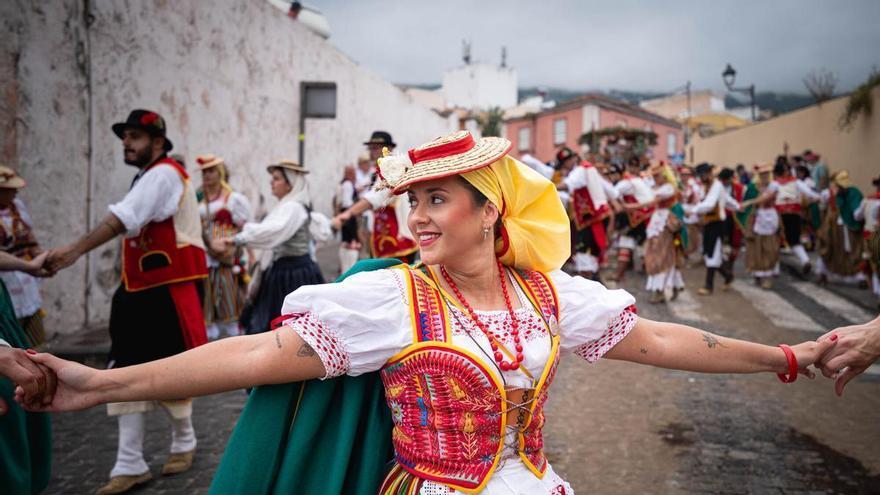
Tenerife’s summer festival calendar has become a cornerstone of the island’s identity. According to local reports, this July’s program is more than just entertainment; it is a significant social movement. Through traditional pilgrimages (romerías), folk dances (bailes de magos), and local celebrations, residents are reaffirming their rural and maritime roots in an increasingly urban world, using traditional dress and food to bring generations together.
La Laguna is at the heart of this activity, anchored by the festivities of San Benito Abad. Key dates include the baile de magos on July 10th, the children’s event on the 11th, and the main pilgrimage on the 12th. The municipality remains busy throughout the month with the San Lázaro baile de taifa on the 25th, and pilgrimages in Finca España and El Ortigal.
The spread of these events across the island highlights a strong commitment to cultural decentralization. On July 11th, for instance, celebrations take place simultaneously in Granadilla de Abona, Adeje, and Puerto de la Cruz. Puerto de la Cruz will also host the traditional maritime procession of the Virgin of Carmen on July 14th, honoring the town’s deep-rooted fishing history.
The end of the month is particularly busy, testing local logistics. July 25th is the most intense day, featuring events in La Laguna, Santa Cruz, El Rosario, Icod de los Vinos, and El Sauzal. The month concludes on July 26th with pilgrimages in El Puertito de Güímar and Tegueste.
With other highlights like the Santa Ana baile de magos in Candelaria on July 18th and the Aguamansa pilgrimage in La Orotava on the 19th, the schedule reflects a dedication to preserving intangible heritage. This widespread participation not only supports the local economies of towns like Arafo and San Juan de la Rambla but also ensures that the island’s cultural legacy remains a living, evolving practice rather than a relic of the past.