
Tenerife’s Hydroelectric Hub Faces Legal Hurdles Over Environmental Restoration
Tenerife’s ambitious plan to transform the Güímar Valley into a hydroelectric energy hub faces significant delays and uncertainty due to unresolved legal battles over environmental restoration costs and land liability.
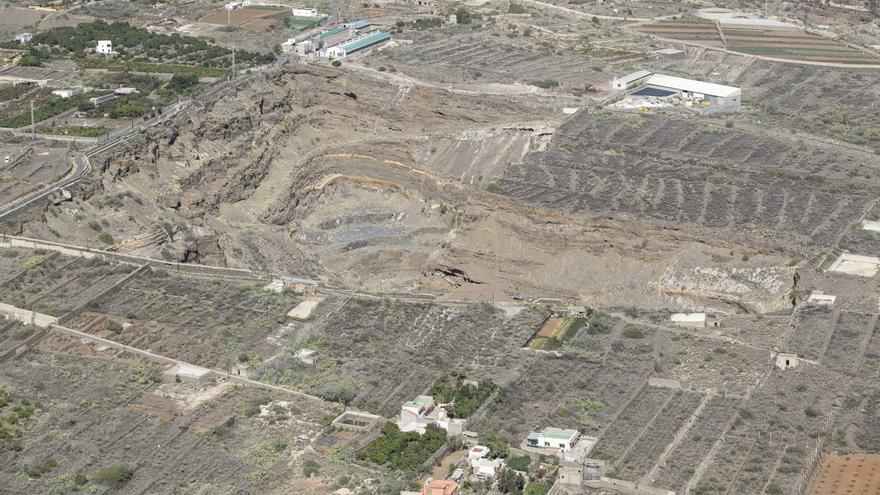
Tenerife’s plan to turn the Güímar Valley into a key energy hub faces a complicated legal and administrative path. The regional government hopes to start building a pumped-storage hydroelectric plant next year, utilizing the large pits left behind by decades of mining. The project aims to meet one-third of the island’s electricity needs with a storage capacity of 3,200 megawatt-hours. However, its future remains uncertain due to a long-standing legal battle over environmental damage.
The central issue is a court order requiring the business owners responsible for the mining to pay 185 million euros for environmental restoration. This amount is significantly lower than the 345 million euros estimated by the Tenerife Island Water Council in 2016 for full land recovery. Private prosecutors argue that this money must be paid before any new work begins on land still owned by those responsible for the damage.
The Ministry of Ecological Transition and Energy has tasked the public company Gesplan with creating a recovery plan that incorporates the hydroelectric plant as a way to fix the environmental damage. This approach is intended to break the deadlock after the courts rejected the business owners' previous restoration proposals, which were deemed impractical and harmful to public health due to the massive amount of truck traffic they would have required.
While the project is expected to take a decade and cost over one billion euros, significant questions remain. There is a lack of transparency regarding the collection of fines, and technical doubts persist about the final design and operation of the plant. Although the Güímar City Council is watching the situation closely, the project highlights the ongoing struggle to repair the environment after years of industrial exploitation. The legal battle, which began in 2005, has yet to reach a final resolution regarding civil liability or the full restoration of the land.