
Tenerife’s Highland Village of Tijoco Alto Battles Rural Depopulation and Isolation
The small, isolated village of Tijoco Alto in Tenerife faces the dual challenges of rural aging and limited infrastructure as its residents strive to preserve their traditional way of life away from the island's mass tourism.
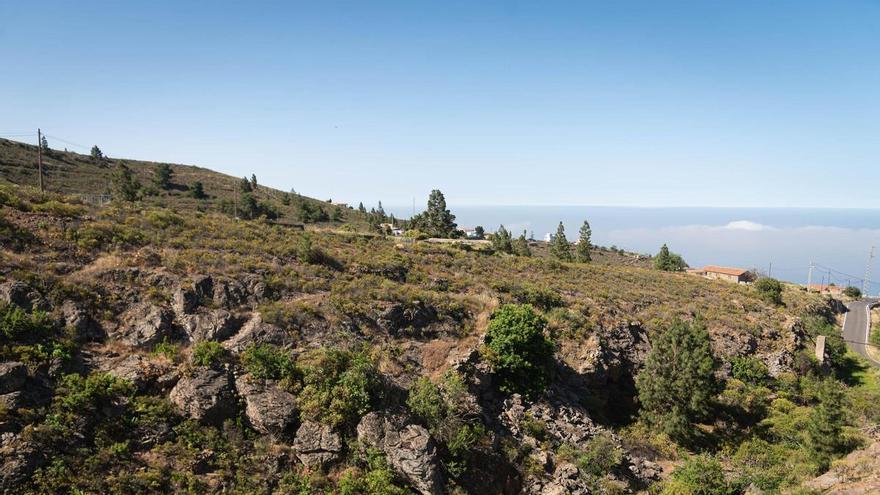
Tijoco Alto, a small village in the southern highlands of Tenerife, offers a stark contrast to the island’s tourism-heavy development. With a population of just over 100 people, the area highlights the growing challenge of rural aging in the Canary Islands, where a lack of new residents and the passing of the older generation threaten the community's future.
There is a clear divide between the coast, which is focused on tourism, and the highlands, which remain rooted in traditional architecture and a history of farming and livestock. This gap is more than just visual; it is practical. Because there is no reliable public transport, residents must rely entirely on private cars. Local authorities are now looking to address this by introducing on-demand transport services.
Daily life in Tijoco Alto relies on a strong sense of community to make up for the lack of nearby services. Neighbors support one another, gathering at the local cultural center, opened in 2001, or the Church of La Concepción, which has stood since 1668. Despite challenges—such as road closures caused by storms like Storm Therese—residents value the peace and quiet of their lifestyle.
The stories of long-term residents, like Andrea González Mora and Luisa Díaz Álvarez, bridge the gap between the difficult agricultural life of the post-war era and today’s service-based economy. Their memories, along with local landmarks like the "stone of the brave," show the resilience of a community that operates outside the reach of mass tourism. While they face connectivity issues, the people of Tijoco Alto are committed to staying in their home, which remains a vibrant, living community rather than just a scenic backdrop.