
Tenerife’s Guachinches: A Culinary Stand Against Standardized Tourism
Tenerife’s traditional guachinches, such as Los Felipes, are serving as vital bastions of cultural resistance by prioritizing seasonal, estate-grown wine and authentic local cuisine over the standardized hospitality industry.
The survival of guachinches in Tenerife is more than just a response to tourism; it is a form of cultural resistance against the standardized hospitality industry. As noted by the content creators @guachinchesmodernos, spots like Los Felipes in La Victoria de Acentejo highlight the unique, fragile nature of this business model, which relies entirely on the establishment’s own wine harvest.
The temporary nature of these venues is exactly what makes them authentic. At Los Felipes, the business only stays open as long as their red wine—recently praised by influencers as some of the best this season—is available. This dependence on the agricultural cycle means the restaurant must close once the wine runs out. Far from being a disadvantage, this practice reinforces the artisanal spirit of the business.
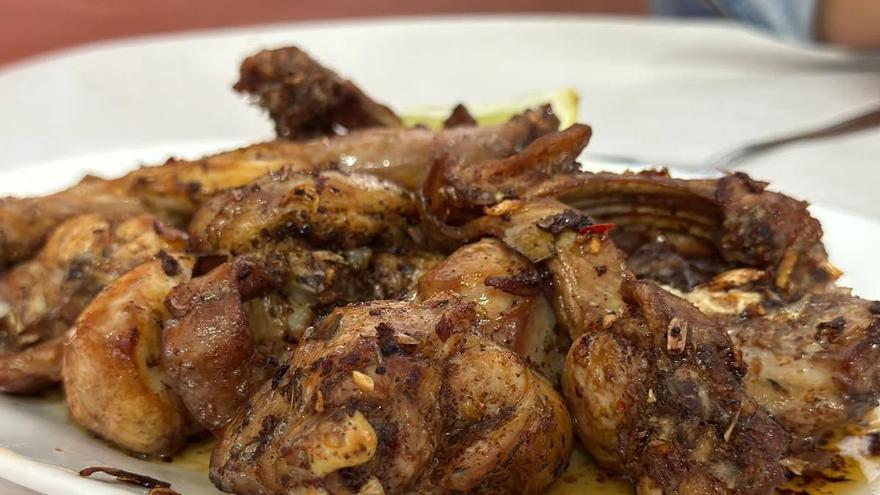
In terms of food, the menu at 61 San Antonio Street avoids long, complex lists in favor of traditional cooking. Staples like salted fish with potatoes and gofio, rabbit in salmorejo sauce, and meat with chestnuts show a commitment to local ingredients over mass-produced alternatives. This focus on quality has earned the establishment a 4.4-star rating on review platforms.
Guachinches are regulated by Canary Island laws, which restrict them to selling their own wine alongside a limited menu. Due to a year of low production, Los Felipes is currently operating on a limited schedule: Thursday to Saturday from 12:00 PM to 10:00 PM, and Sunday until 9:30 PM. This family-run approach not only preserves local culinary traditions but also provides a necessary alternative in the island's tourism scene, where genuine, locally sourced products are the most valuable asset.